

Public spaces
Ventilation is essential in museums, restaurants, showrooms, libraries and other public spaces where many people gather every day. An efficient ventilation system ensures fresh air, stable temperature and a comfortable indoor climate.
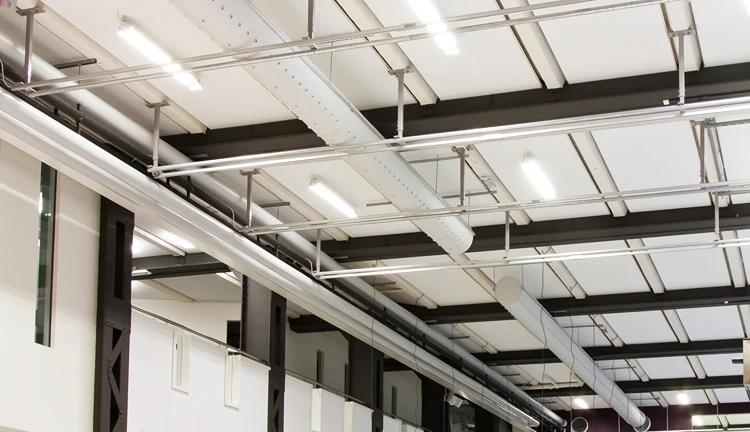
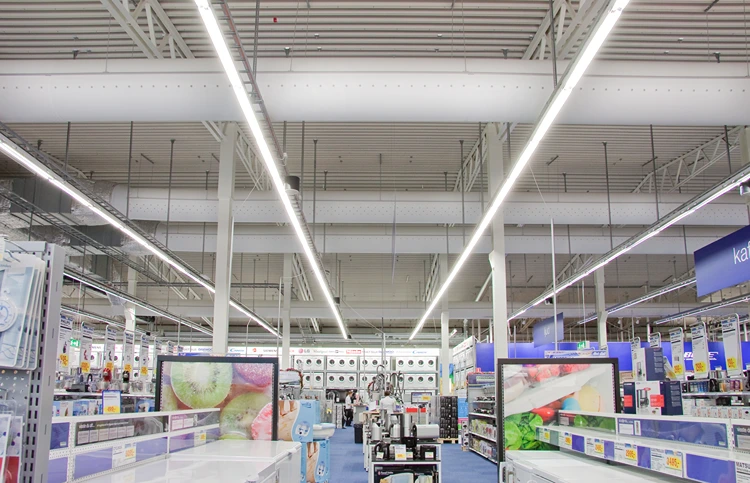
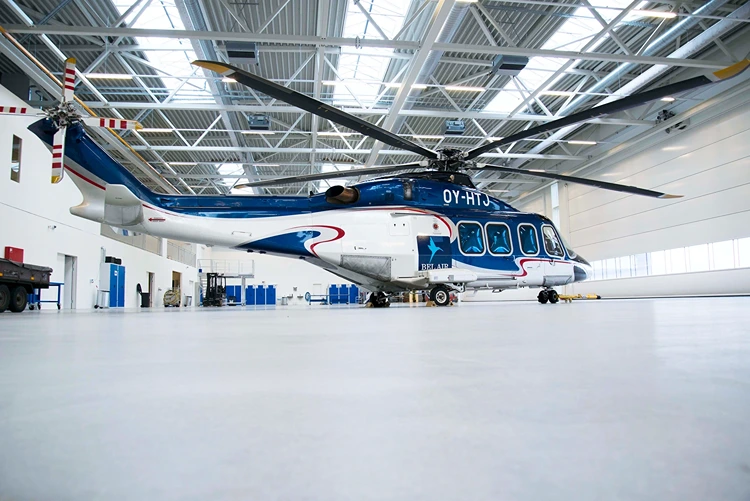
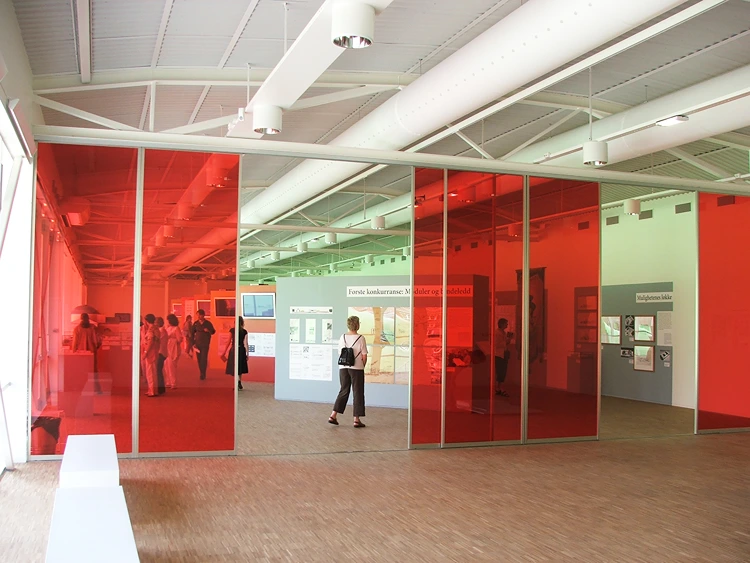

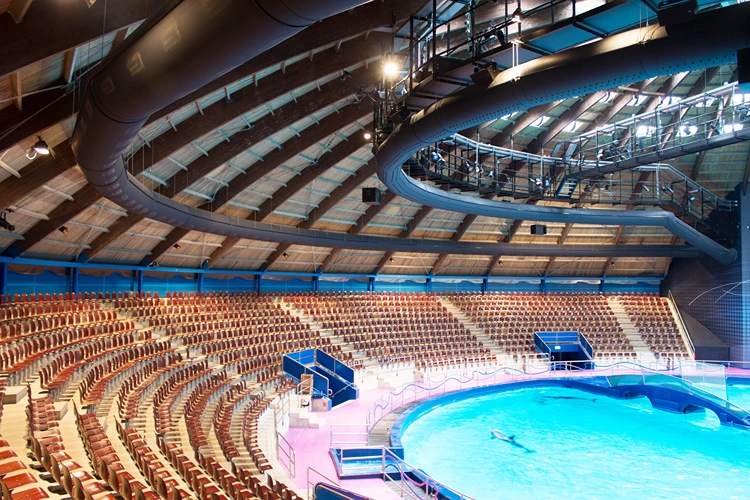
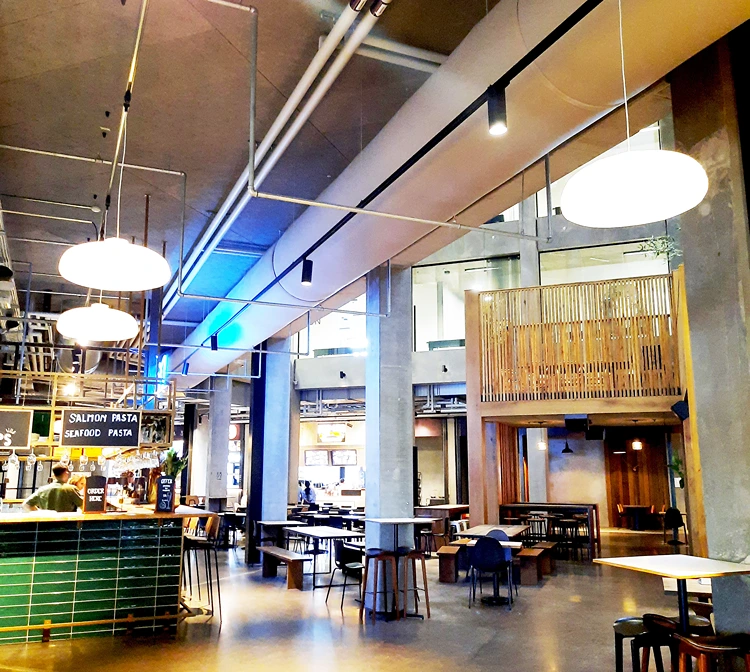
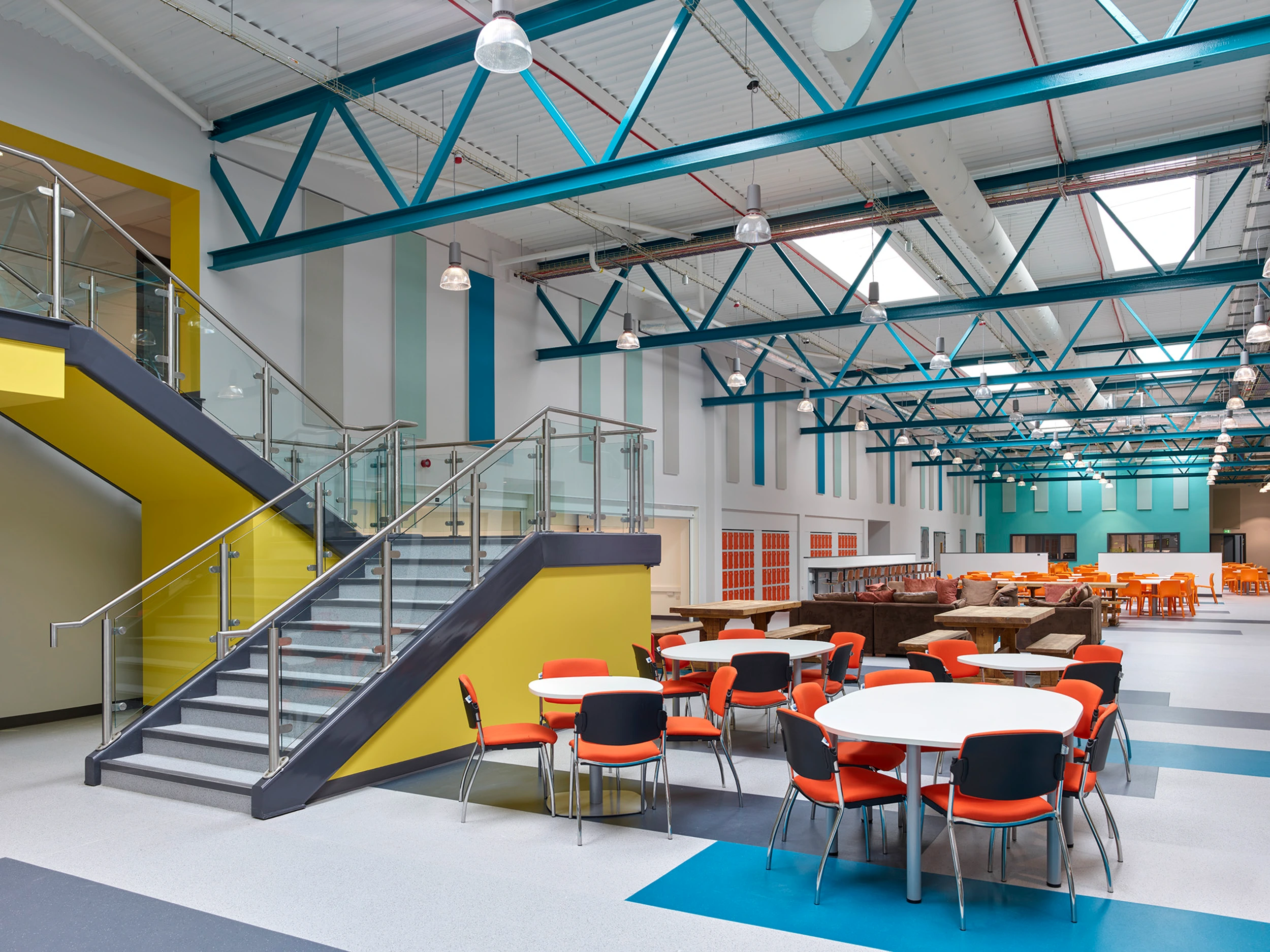
Ventilation is essential for the health, comfort and protection of buildings and fixtures
Ventilation is, first of all, about health and well-being. When many people gather in the same room, CO₂ levels rise rapidly and the air can become heavy. Effective ventilation ensures fresh air, removes excess heat and reduces particles and microorganisms.
At the same time, stable temperature and humidity are essential -- especially in museums, where art and historical objects are sensitive to fluctuations. Incorrect moisture levels can lead to mold, drying out and damage to both fixtures and buildings.
Good air exchange also improves hygiene and reduces airborne particles and odors. Modern, energy-efficient systems with heat recovery and demand management ensure a stable indoor climate and sustainable operation.
In short, ventilation is a prerequisite for comfort, health and optimal operation.

The need for varied air exchange places demands on the ventilation solution

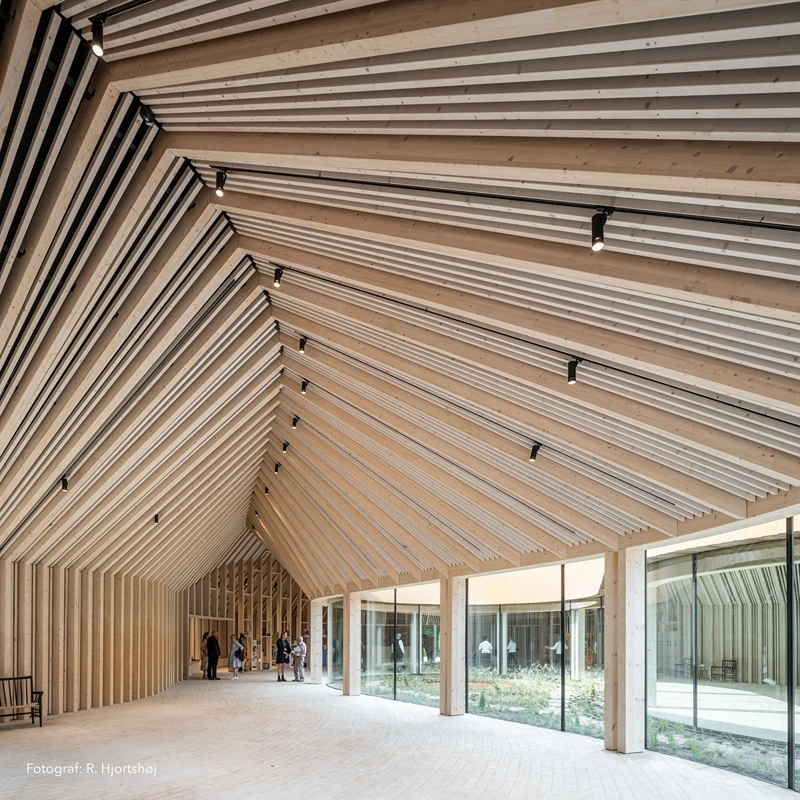
Complex area due to ongoing variations in ventilation needs in showrooms, exhibition halls, supermarkets, department stores, museums and atrium environments
Variations affect CO₂ levels, temperature and humidity, which places demands on the flexibility of the ventilation system.
Flexible ventilation solutions ensure comfortable indoor climate conditions and protect fixtures, products and exhibits.
Systems must be able to maintain energy-efficient operation even when air demand changes.
In short, ventilation in these rooms requires dynamics and precision to ensure comfort, health and protection of materials.
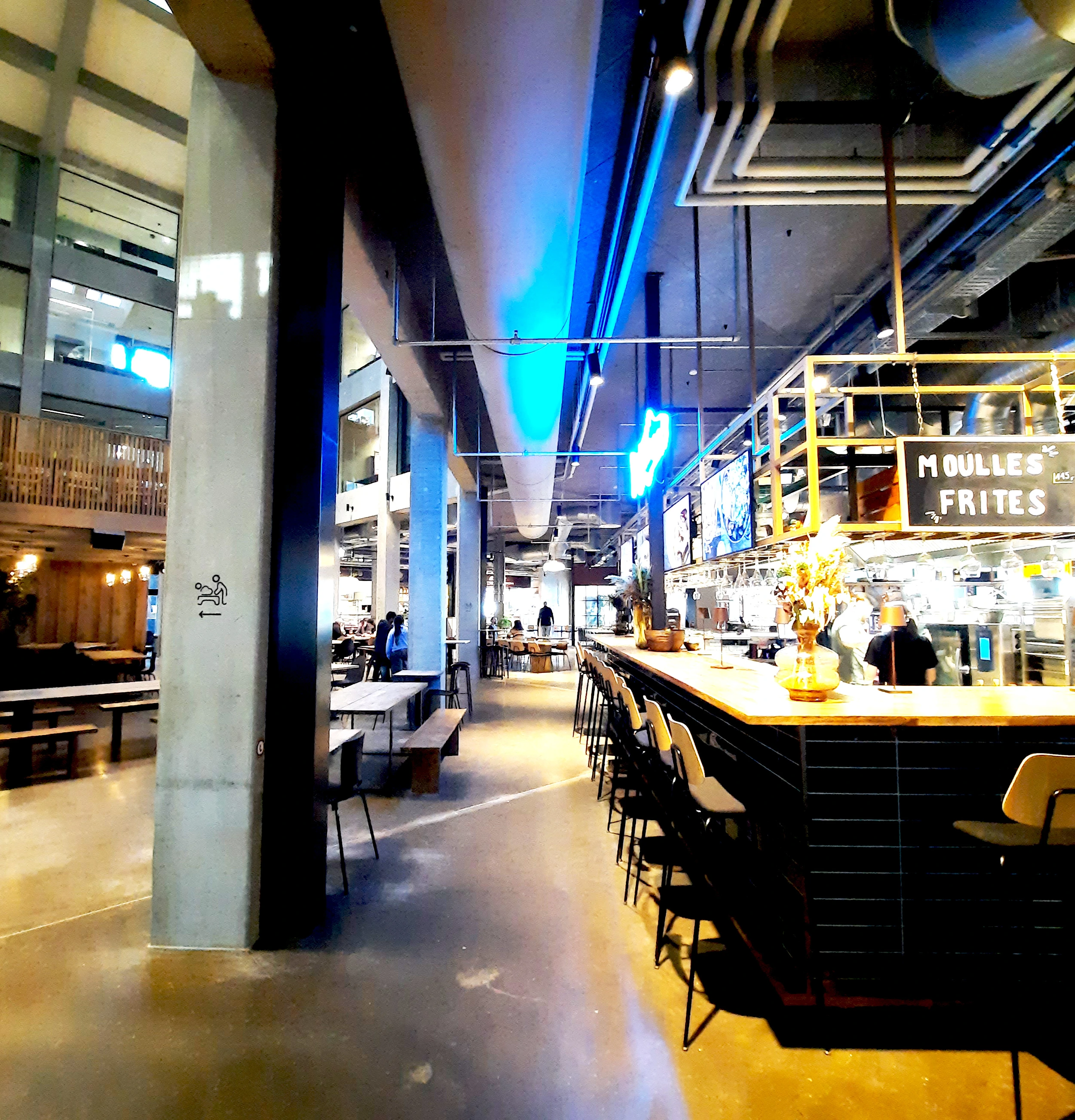
Fresh air, comfort and odor control are essential to the experience
A good indoor climate is about balancing the room temperature with a smooth, draft-free and efficient air exchange.
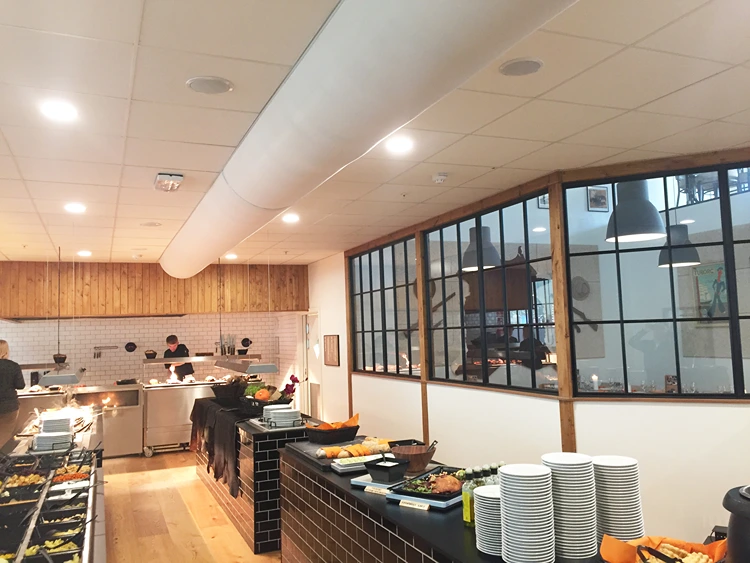
Activity from multiple kitchens can cause temperatures to fluctuate and the air can feel heavy.
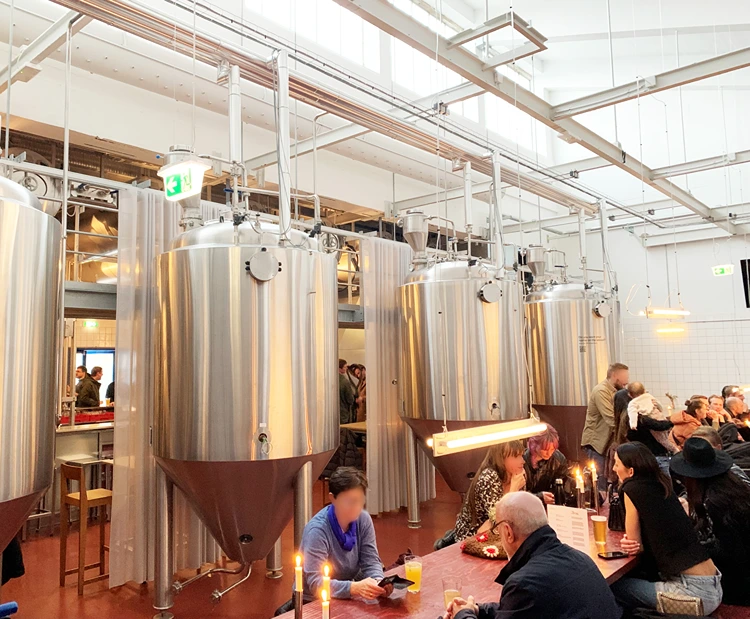
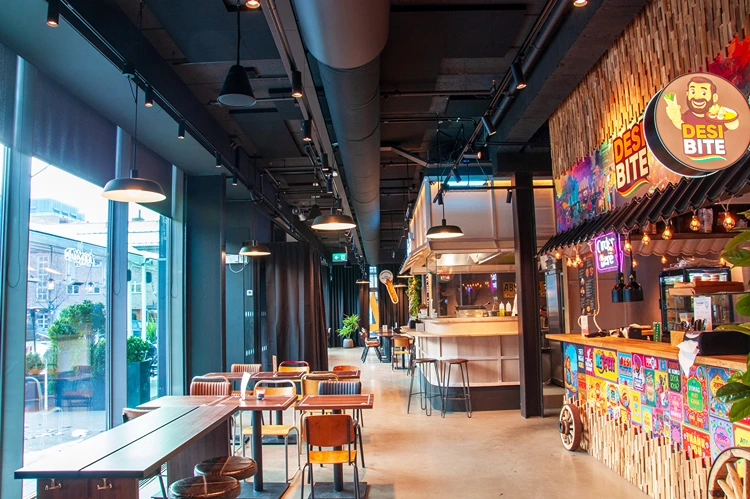
In rooms with many guests and various food stalls, special requirements are imposed on the indoor climate.
High heat, food odors and many people can rapidly increase CO₂ levels, making efficient and stable air exchange essential.
Textile-based ventilation ensures fresh air, stable temperature and high air quality — without drafts and energy wastage.
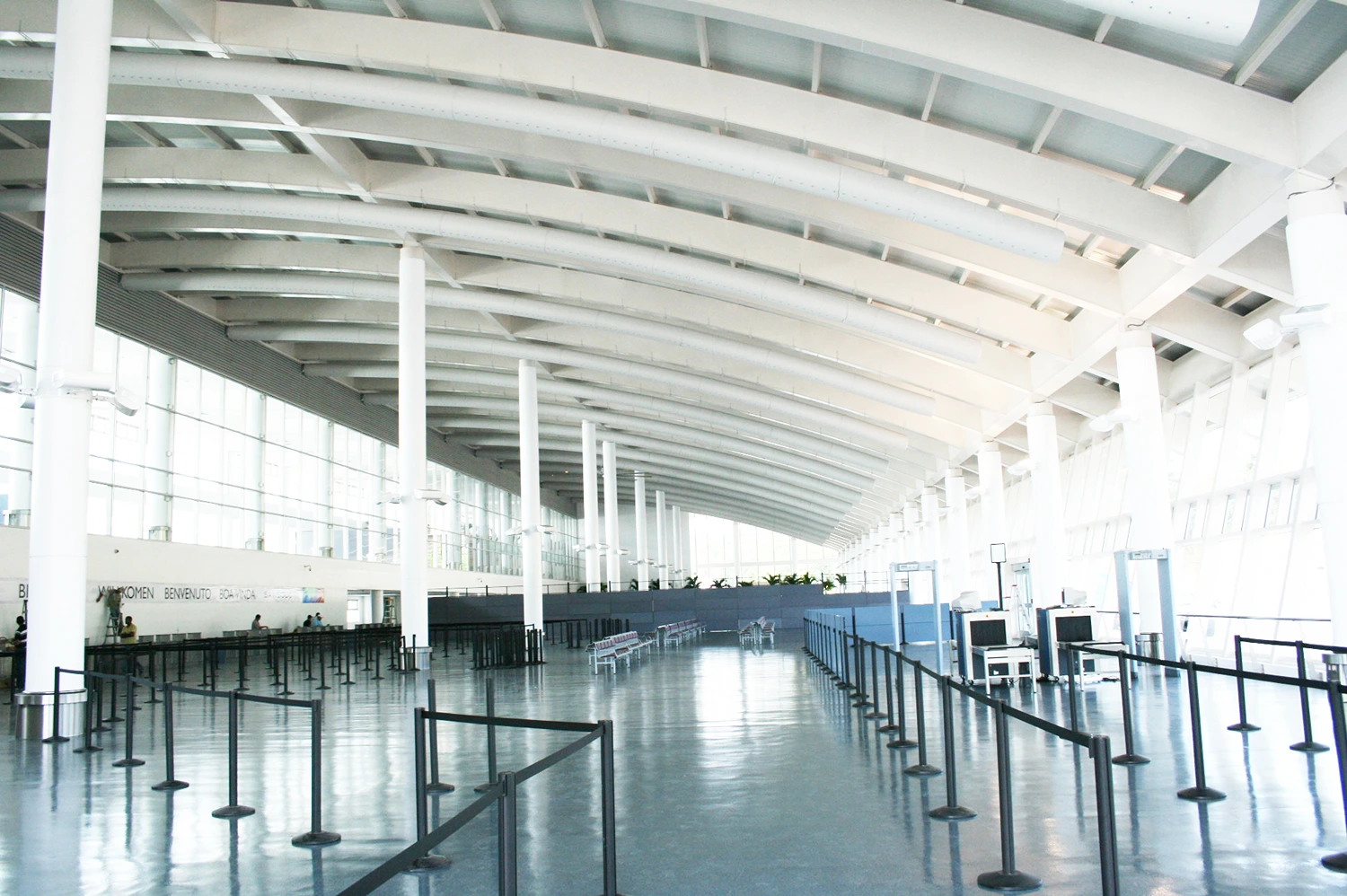
High comfort in public spaces
The low airflow rate reduces the risk of drafts, which is important in areas where people stay for extended periods of time (e.g. libraries and waiting areas).
In high atriams and airports, the system can either ensure comfort in the living space or reduce temperature differences by mixing warm air down from the ceiling
Public spaces often have shifts in number of people. Textile ducts can be sized for both cooling and heating reauirements and operate efficiently at variable air volumes.
Fabric ducts are available in a variety of colors and shapes and can be integrated architecturally. In addition, they do not contribute the same noise level as traditional metal duct designs.
The fabric ducts can be easily disassembled and washed, which is an advantage in environments with high hygiene requirements.
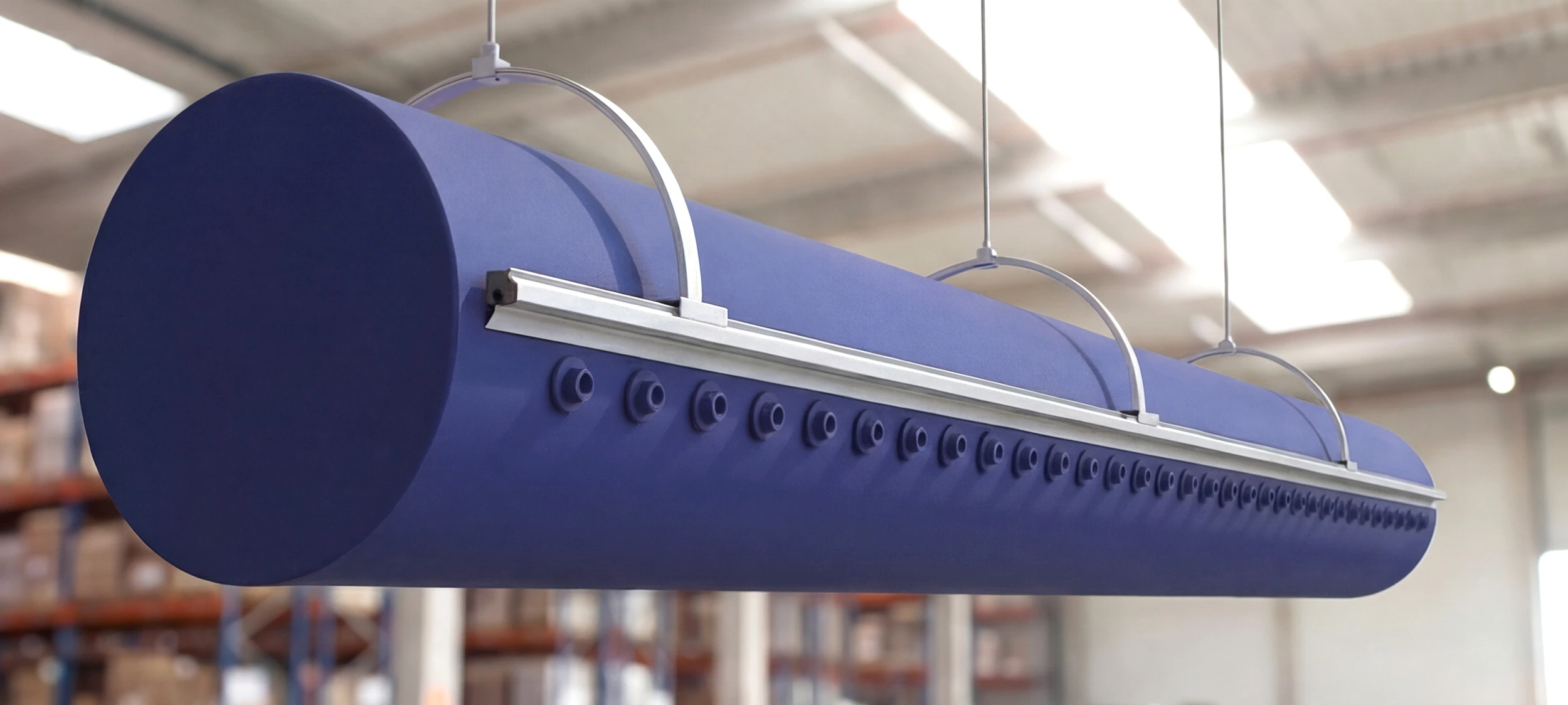
Get details for your next ventilation project
If you also want to hear more about textile-based ventilation and the benefits it can bring in your next project, you can send us an inquiry - absolutely without obligation.
We are ready with advice and design support on how you can ensure optimal and ideal indoor climate for your construction project. You will be contacted for further information about your needs and requirements, so that we will find the best solution for your project.
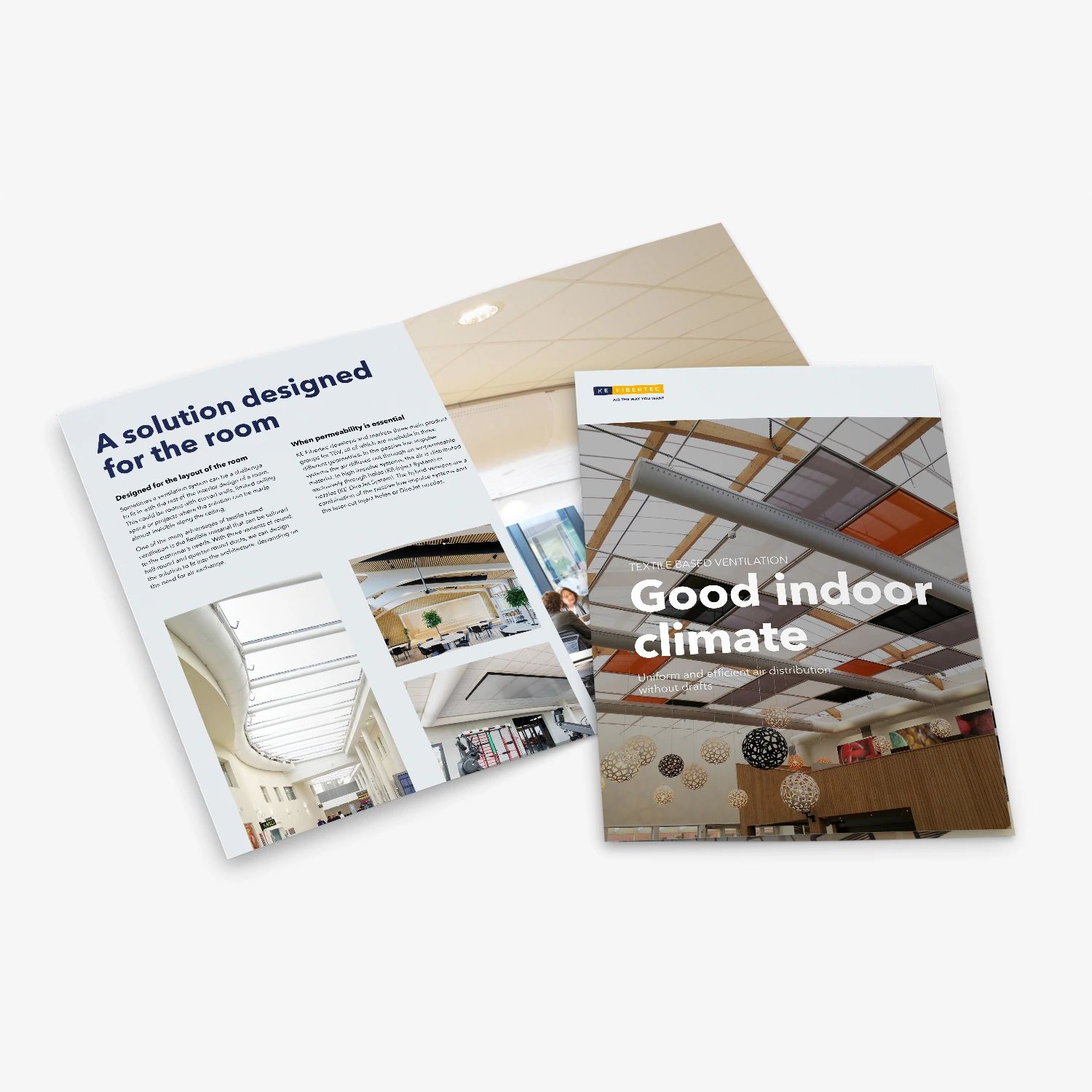
Would you like more information?
Order the our brochure today and find relevant information about our solutions and services - everything from design, system to how we can help with maintenance.