
When Did You Last Wash Your Textile Ducts?
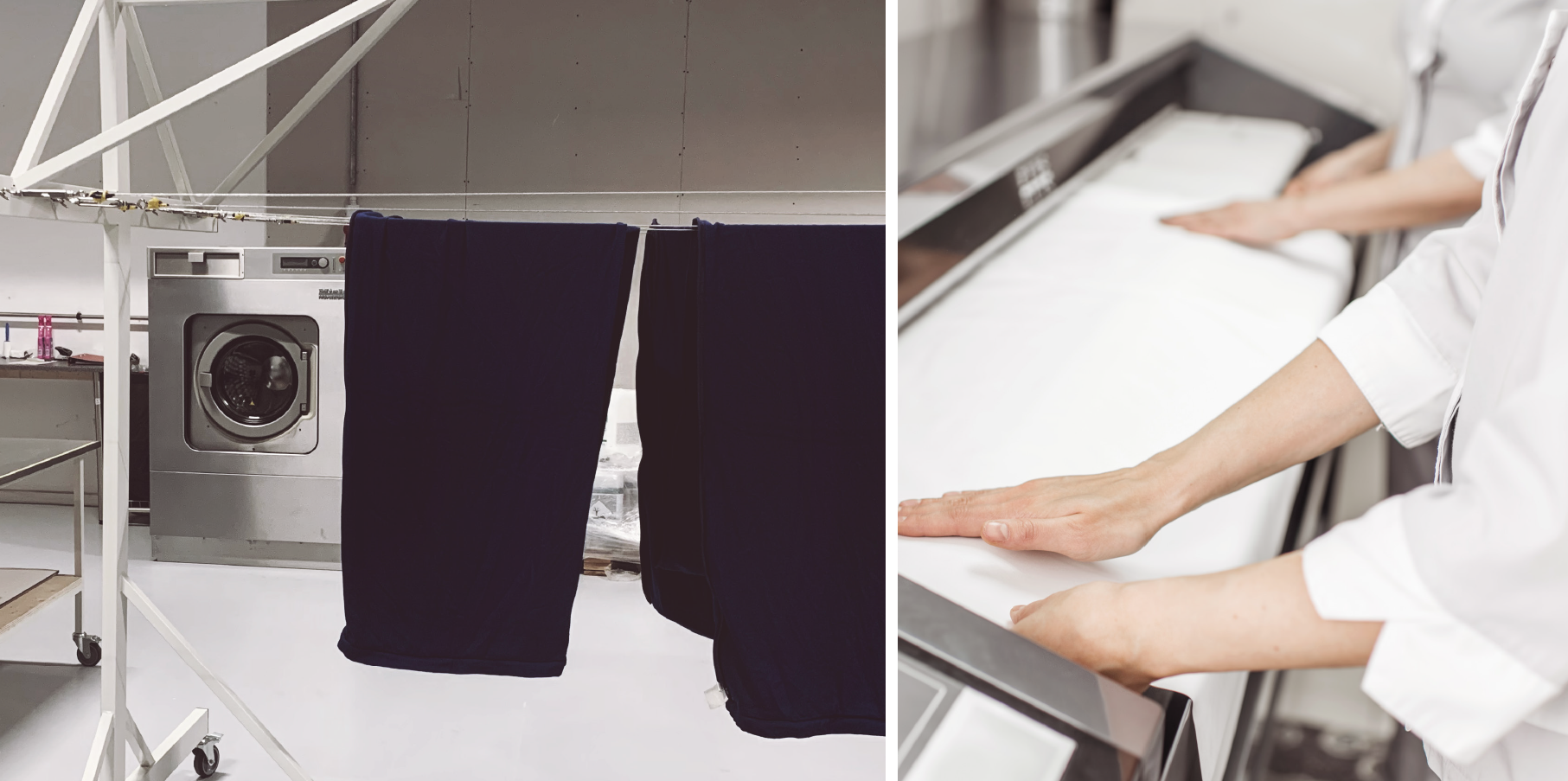
One of the major advantages of textile air distribution is that the duct itself can be removed and cleaned.
Like any part of a ventilation system, textile ducts need appropriate maintenance throughout their working life. Regular washing helps maintain performance, cleanliness and appearance, while also helping to extend the life of the product. 2019 Washing Brochure
So, when did you last check yours?
Why does cleaning matter?
Over time, dust and other airborne contaminants can collect on or within an air distribution system.
Keeping textile ducts clean is particularly important in applications with higher hygiene requirements, but maintenance is not purely about cleanliness or appearance. Regular washing also helps the duct continue to perform as intended and supports the energy-efficient operation of the ventilation system. 2019 Washing Brochure
Correct cleaning can also help protect the textile material itself. Our specialist washing process uses carefully developed programmes and gentle drying methods designed to minimise unnecessary wear and shrinkage. 2019 Washing Brochure
How often should textile ducts be washed?
There is no single washing interval that is suitable for every installation.
A textile duct serving a relatively clean commercial environment will experience very different conditions from one installed in food production, manufacturing or another process application.
The appropriate cleaning frequency will therefore depend on factors such as:
- The application and surrounding environment
- The amount of airborne dust or contamination
- Hygiene requirements
- Operating hours
- The condition and appearance of the duct
- The type of textile material used
Rather than waiting until a duct is visibly dirty, we recommend including textile ducting within the building's normal ventilation inspection and maintenance programme.
Applications with particularly high hygiene requirements may also need specific cleaning procedures. For example, when washing GreenWeave® or MultiWeave® ducts used within the food industry or other hygiene-sensitive environments, the duct should be turned inside out before washing. Multiweave Washing
Different fabrics need different treatment
Not every textile material should be cleaned in exactly the same way.
For GreenWeave® and MultiWeave®, our washing instructions specify controlled washing temperatures, rinsing and careful drying. Steel rings should also be removed before washing. Multiweave Washing
ZeroWeave® requires a different approach. Its polyester fabric has a dirt-repellent coating, meaning that external cleaning can often be carried out using a cloth or brush, while loose dust can be removed by vacuuming or air blowing.
Machine washing should only be considered in exceptional circumstances, as it can cause the ZeroWeave® material to wrinkle and affect its appearance. Zeroweave Cleaning and Maintena…
This is why identifying the duct material and following the correct cleaning procedure is so important.
What does our textile duct washing service involve?
Washing a textile duct properly involves more than simply putting it into a washing machine.
Depending on the required cleaning process, our washing service can include:
- Visual inspection when the ducts are received
- Pre-rinsing
- Specialist washing
- Thorough rinsing
- Gentle drying
- Inspection for wear or damage
- Checks of zips, suspension components and other fittings
Our washing programmes have been developed specifically for textile ventilation materials, with the aim of providing effective cleaning while treating the fabric carefully. 2019 Washing Brochure
We can also provide additional services including permeability measurement, repairs and maintenance, transport, and help with removal and reinstallation. 2019 Washing Brochure
Removal and reinstallation are important too
Correct handling before and after washing is just as important as the cleaning process itself.
Before a duct is removed, the ventilation system should be safely isolated and the textile duct allowed to fully deflate.
Where an installation contains several similar duct sections, each section should also be clearly identified so that it can be returned to the correct location afterwards. During removal, textile material should be kept away from dirty floors, sharp edges and anything else that could damage the fabric. Mounting and Unmounting Procedu…
Once washing is complete, the duct should be fully dry before it is reinstalled. The fabric, runners, zips, nozzles, seams and inlet connections should also be checked before the ventilation system is returned to normal operation. Mounting and Unmounting Procedu…
Taking care during removal, washing and reinstallation helps ensure the textile duct continues to operate as originally designed.
How we can help
If your textile ducts are due for cleaning — or you simply aren't sure when they were last washed — we can help determine the most appropriate approach for the material and application.
Our textile duct washing service can support the complete process, including removal, washing, inspection and reinstallation, where required.
Because textile air distribution is our specialist area, the cleaning process is based around the requirements of the materials and components used within the system rather than treating the ducts as conventional laundry. Our washing facilities and programmes have been developed specifically for textile ducts. 2019 Washing Brochure
Is your textile duct system due for a clean?


.webp)







Are you ready to optimize your indoor climate?
Ready to save time on your next project. Fill out the form and be contacted within 24 hours. You will receive non-binding advice from our technical experts.