

Swimming pool
Proper ventilation in swimming pools ensures a comfortable and healthy indoor climate by controlling temperature, humidity and air quality. The systems remove moisture and chlorine fumes, protect the building and fixtures, and create comfortable conditions for guests and staff.
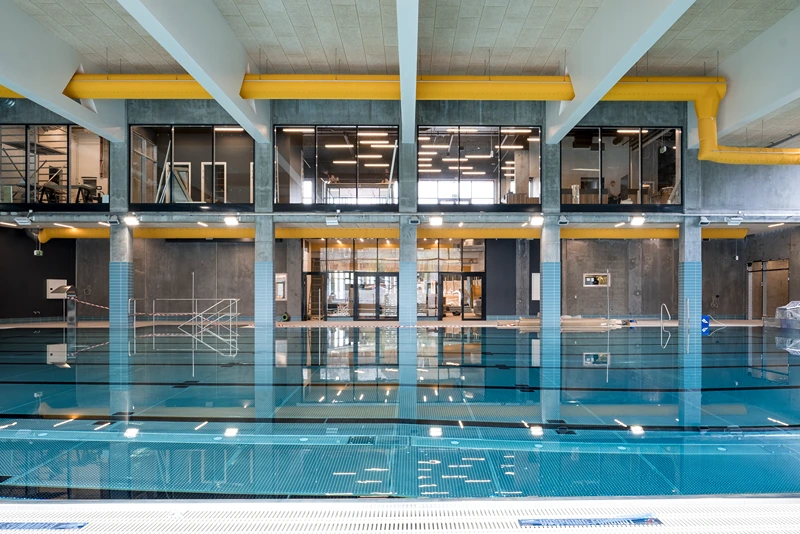


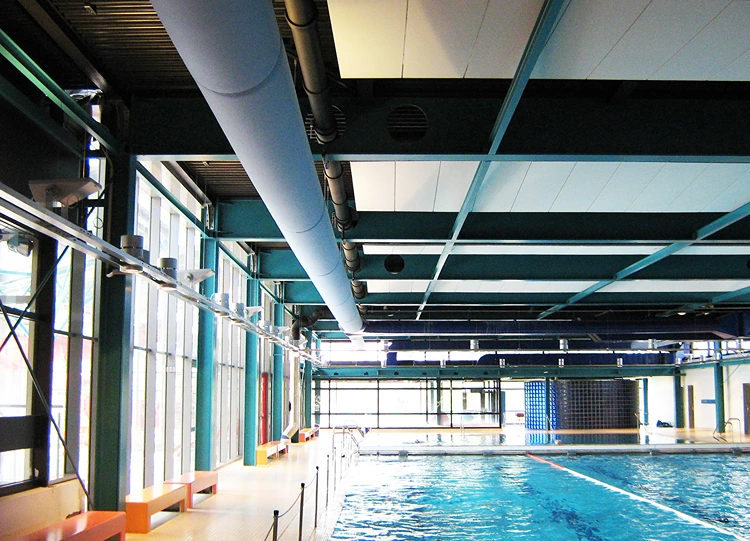
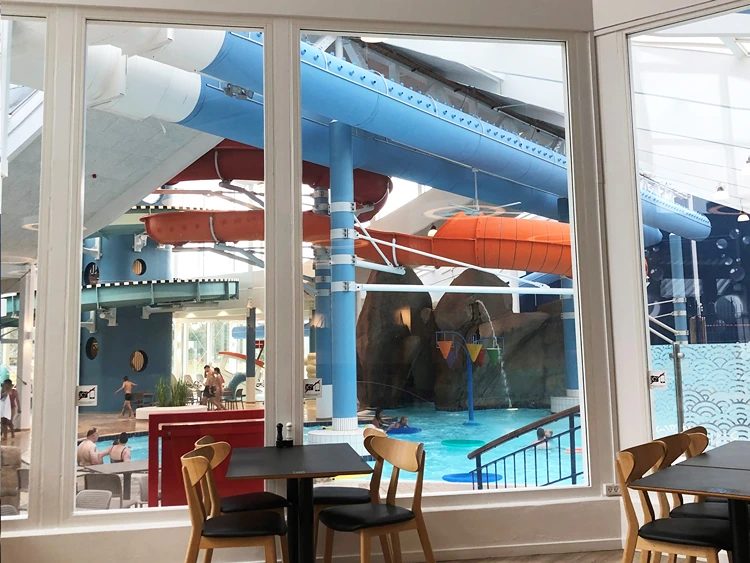
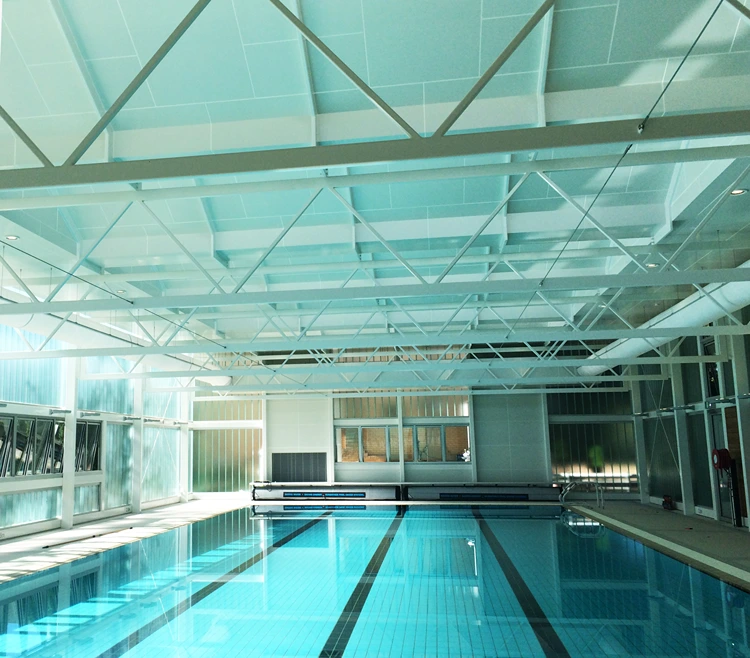
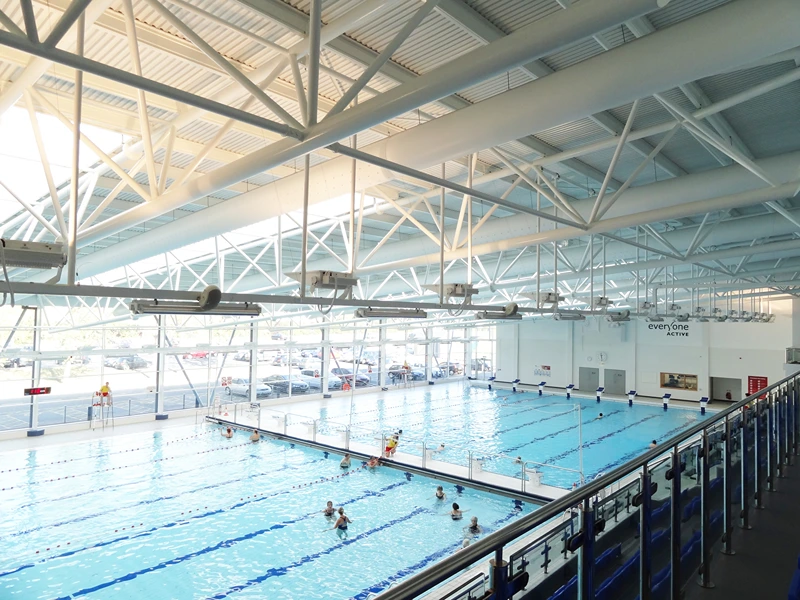
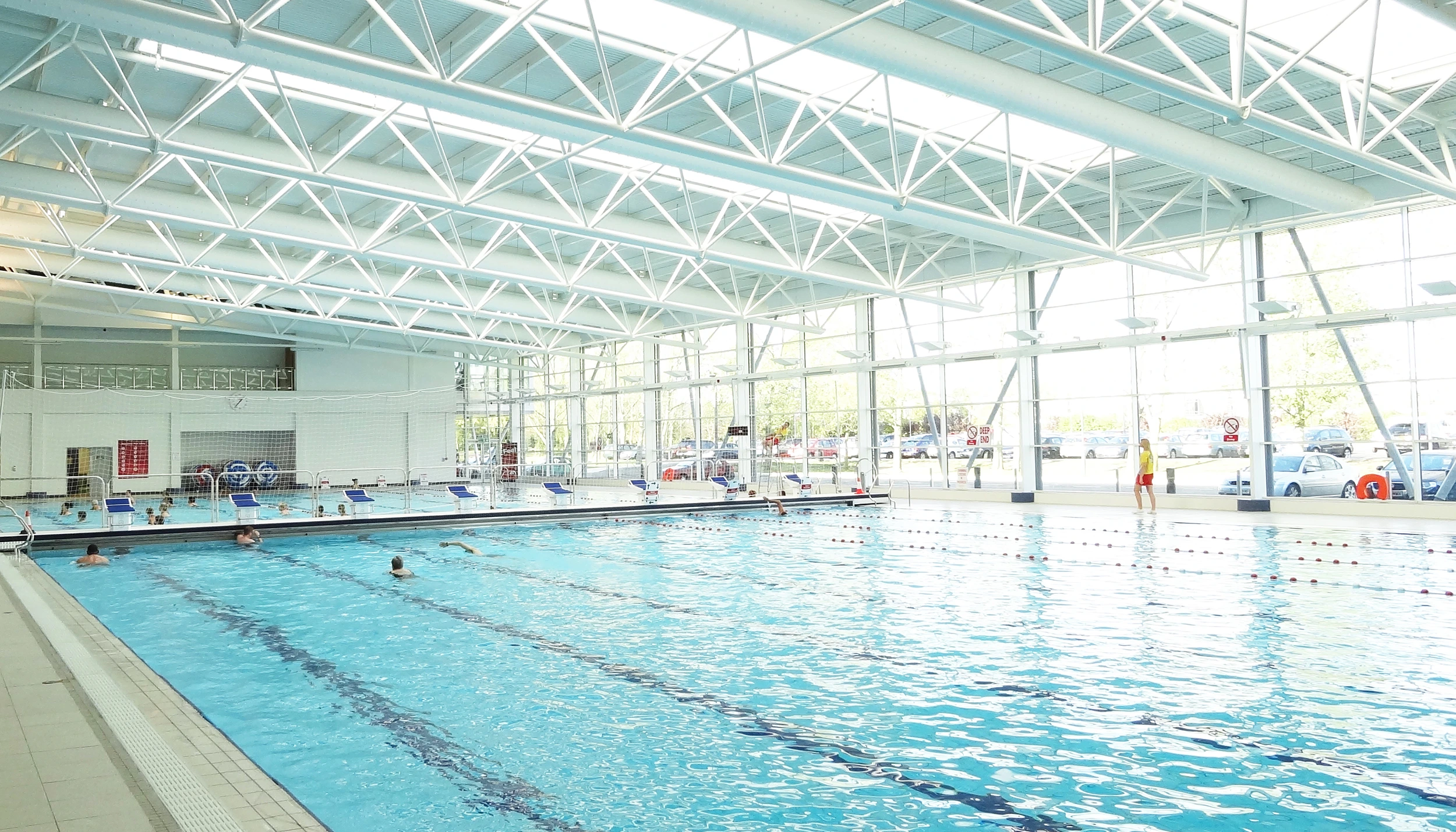
High efficiency prevents condensation for a better indoor climate
High-impulse systems from KE Fibertec ensure even and efficient air distribution in swimming pools, so that condensation does not form on windows or other cold surfaces - and thus no additional insulation is required. Our engineers have many years of experience in dimensioning air distribution systems that not only integrate harmoniously into the swimming pool design, but also ensure energy-optimized and efficient air distribution.
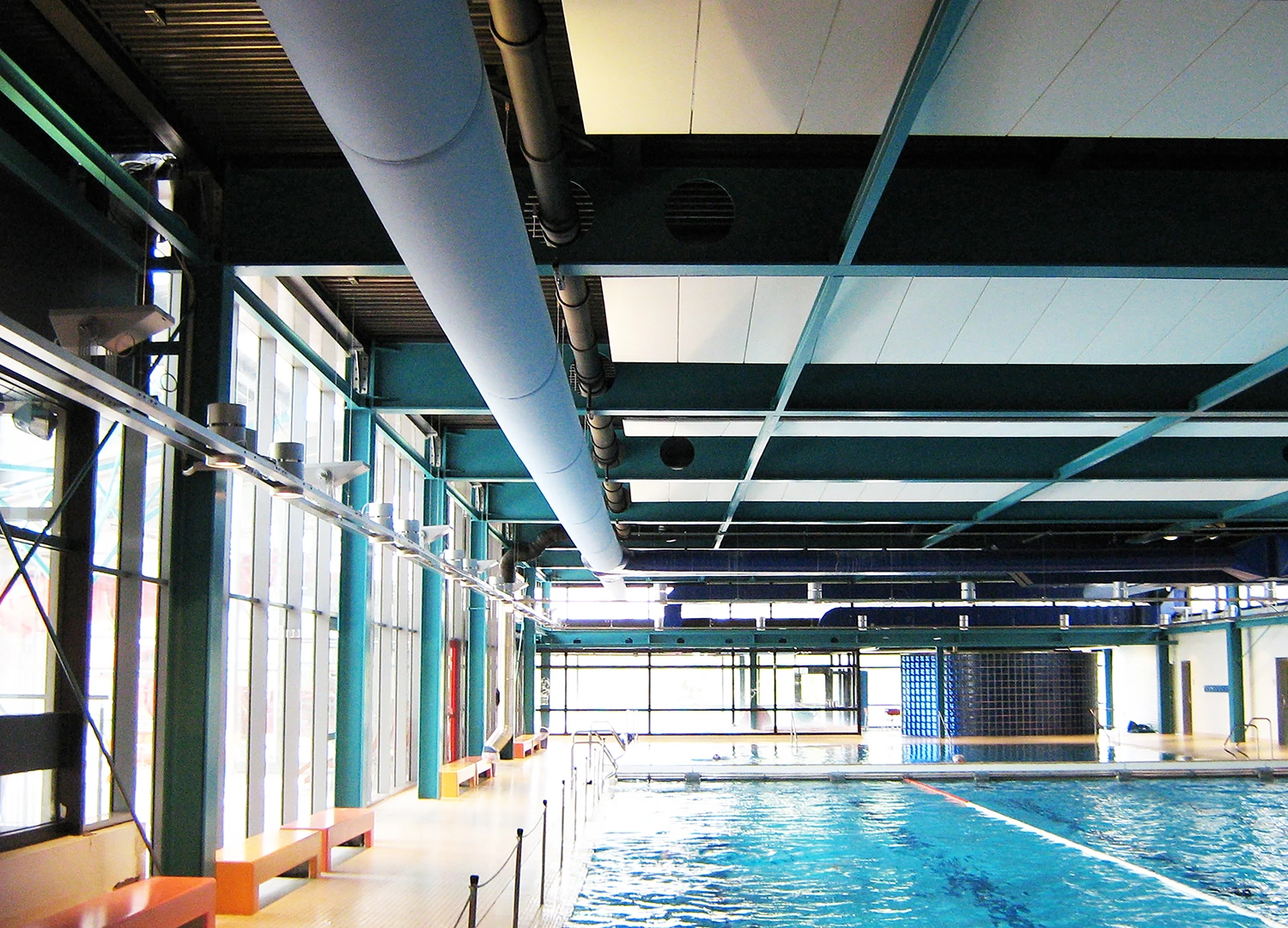
Important Considerations When Ventilating Swimming Pools

Effective ventilation in swimming pools removes TKA (trichloramines), which both ensures a good working environment for staff and creates optimal conditions for users.
Keeping the swimming pool dry is essential to protect against mold. A dry environment reduces the need for maintenance and extends the life of both the building and the equipment.
A low temperature gradient minimizes energy loss while ensuring that users experience the best possible felt temperature in the room.
An effective management strategy takes into account the many different scenarios in the swimming pool, from periods of inactivity to ordinary everyday operating conditions to busy situations such as competitions in the pool.
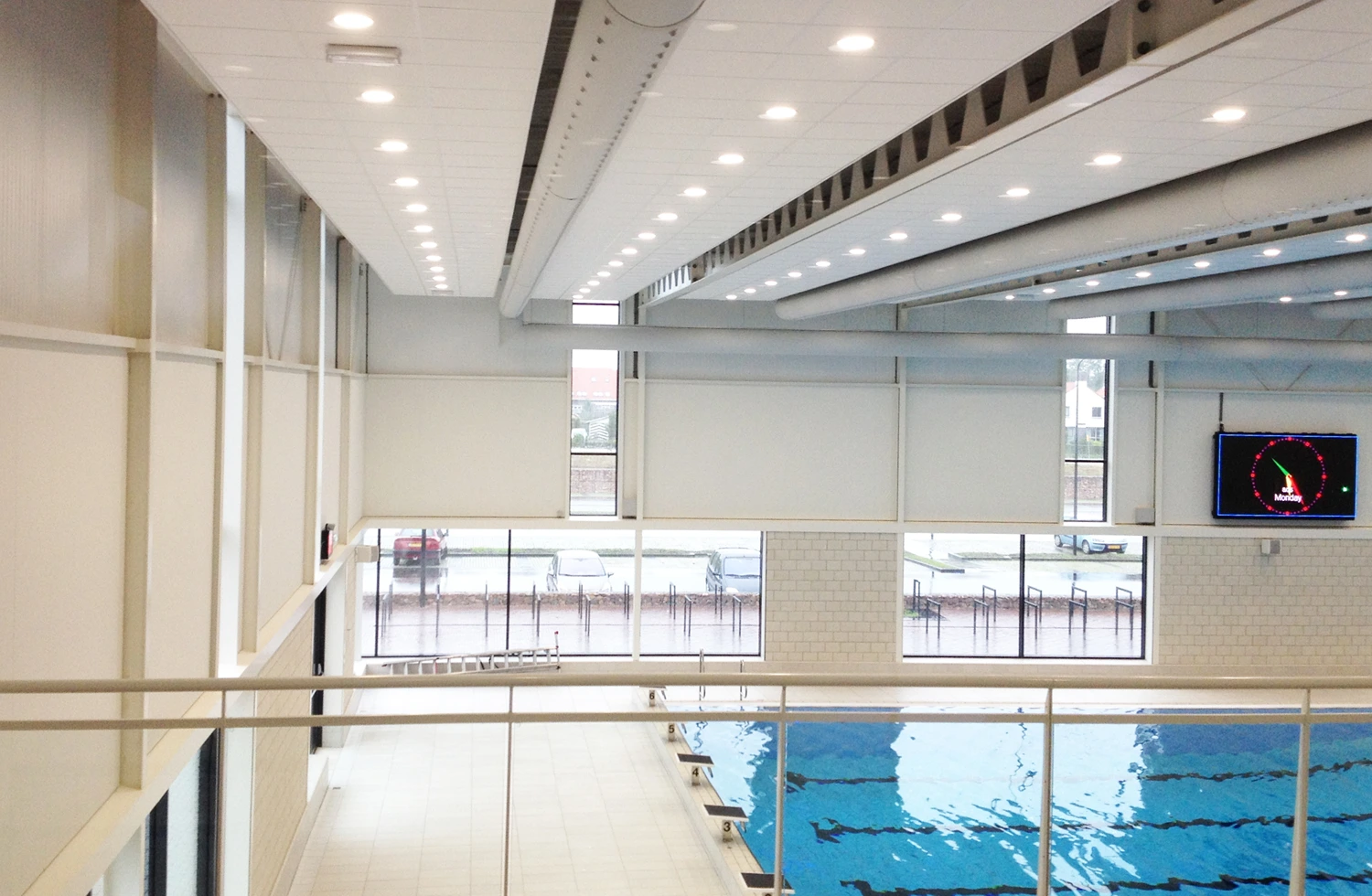
Why choose Textile Based Ventilation for swimming pools?
Drag free and quiet ventilation with uniform air distribution
Reliable solution in demanding environments
The system has low weight, which makes it easy to mount even in complex constructions
Aesthetic and flexible solution that can be adapted to the architecture so that ventilation integrates harmoniously into the design of the building
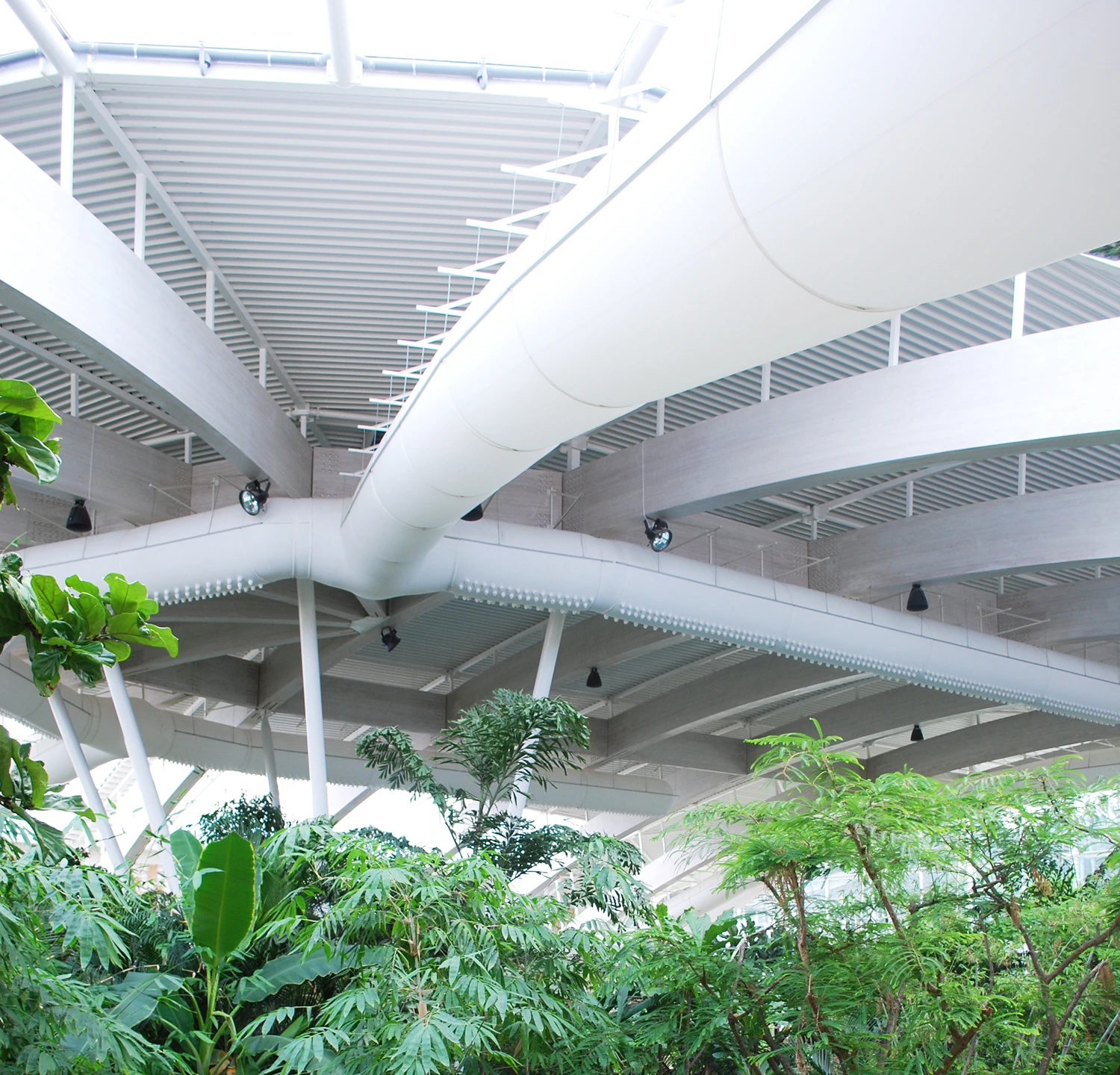
The sustainable choice for modern swimming pools
Responsible material selection - validated by the Cradle to Cradle-standard
Up to 5 times lower carbon footprint than steel ducts
Complete EPD documentation with full insight into all prints
Easy maintenance ensures longer life of the solution
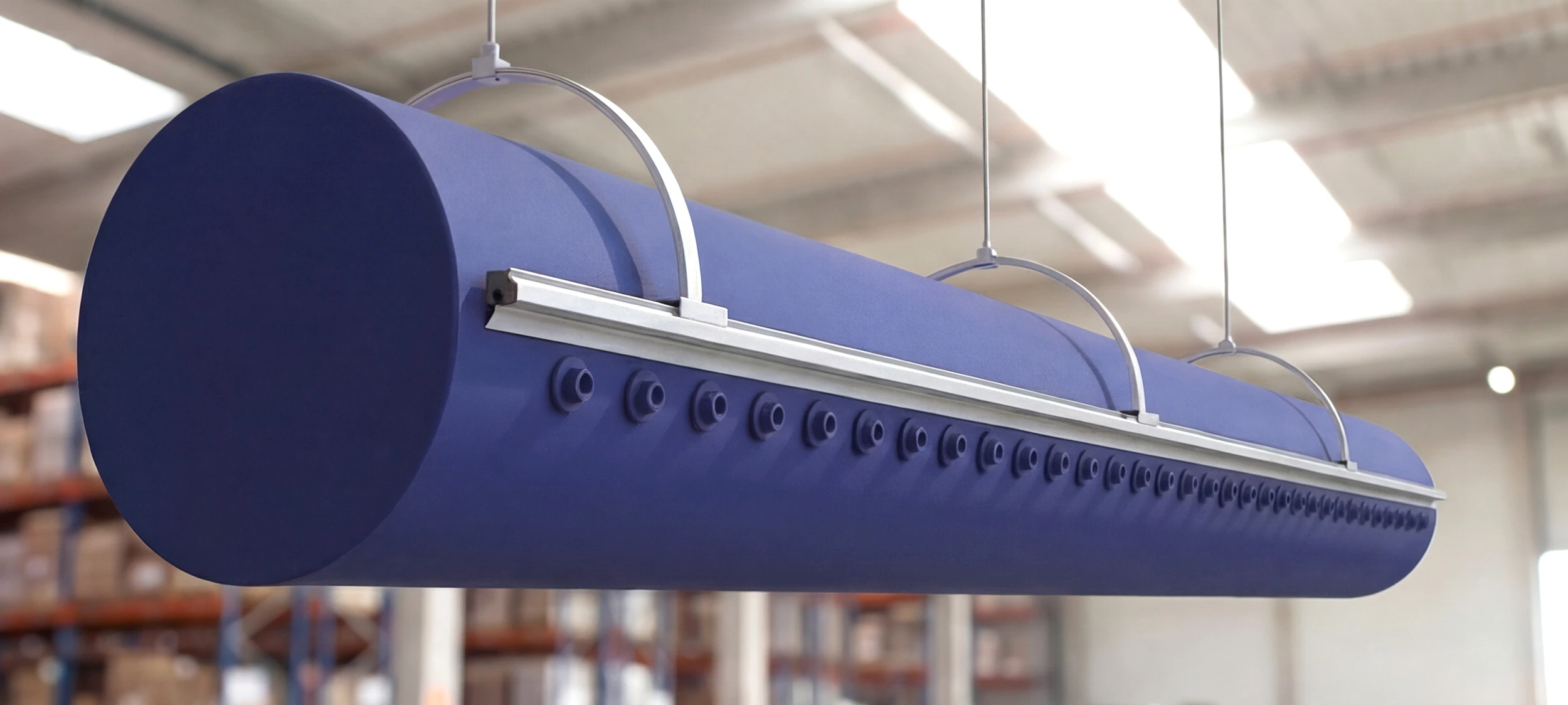
Get expert advice for your next ventilation project
If you’d also like to find out more about textile based ventilation and the benefits it could bring to your next project, please feel free to send us an enquiry – with no obligation.
We’re here to offer advice and guidance on how to ensure an optimal and healthy indoor climate for your construction project. We will contact you to discuss your needs and requirements in more detail, so that we can find the best solution for your project.
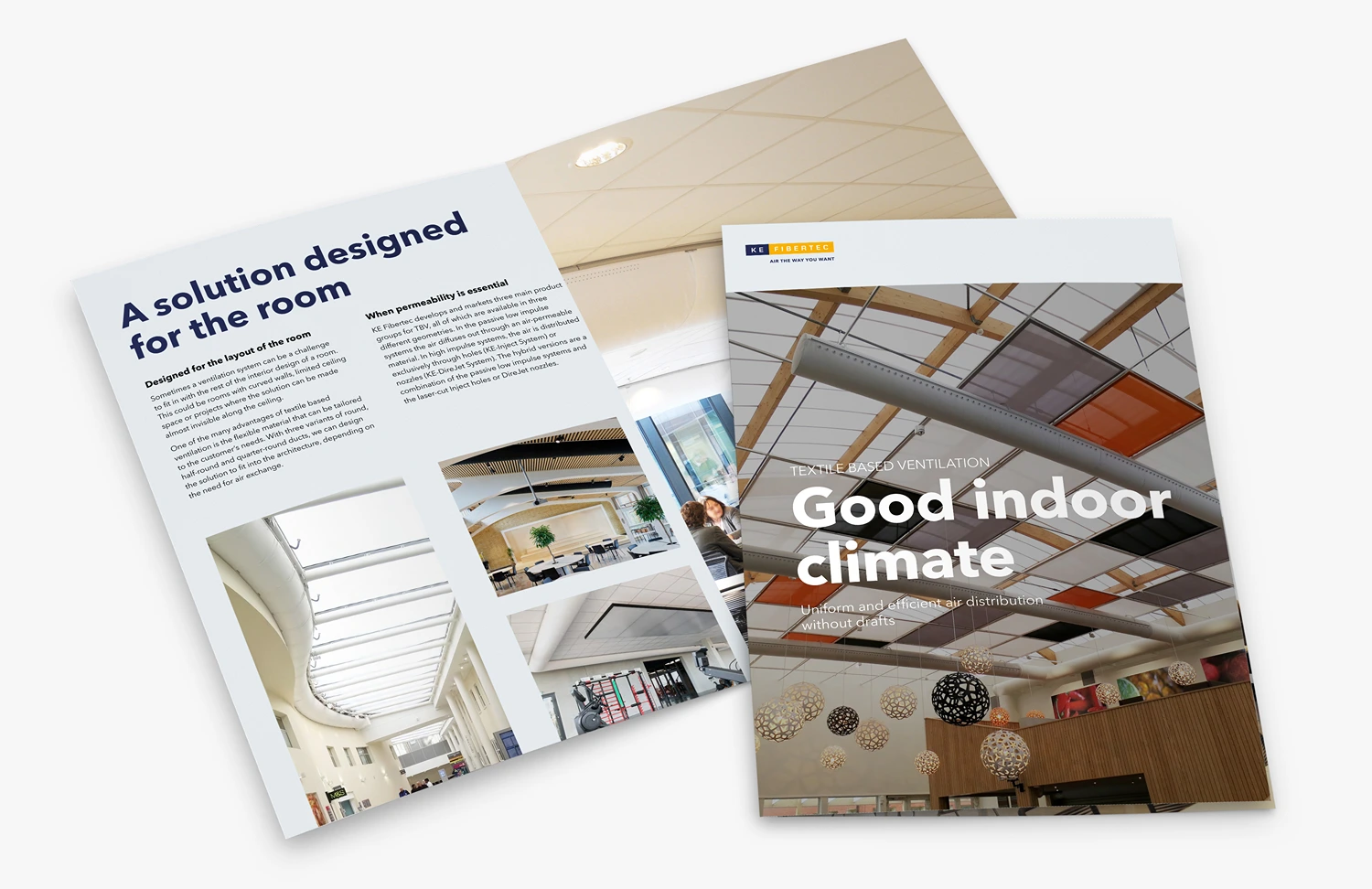
Need some inspiration?
Order the inspiration brochure today and find out all about our solutions and services – from design and systems to how we can help with maintenance.