

Comfort
Good ventilation is the key to fresh air, optimum temperature and a comfortable indoor climate without drafts
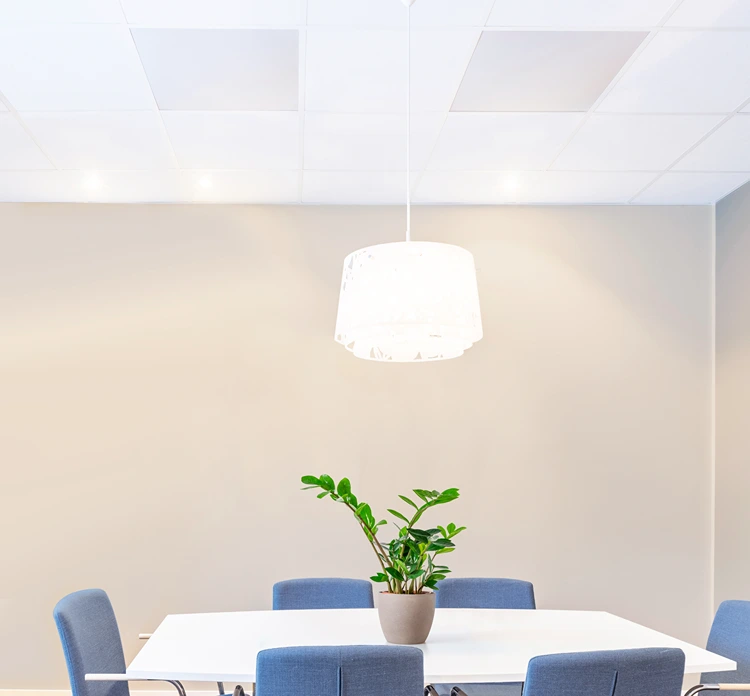
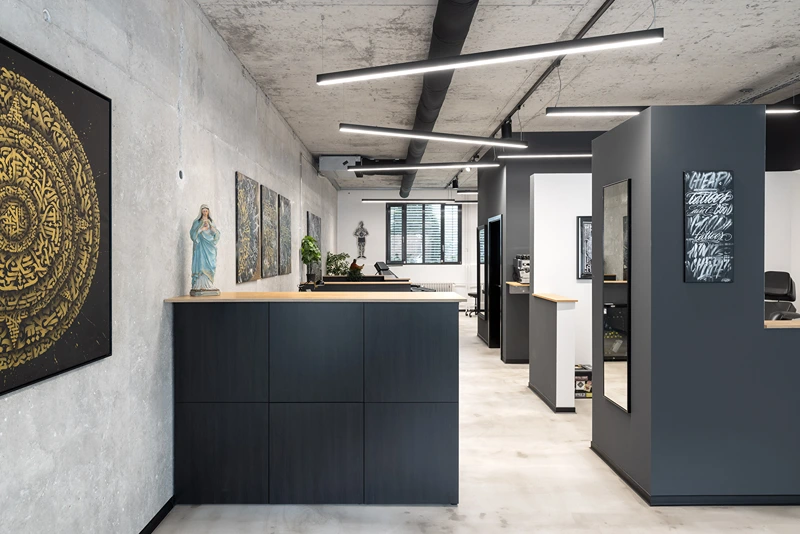
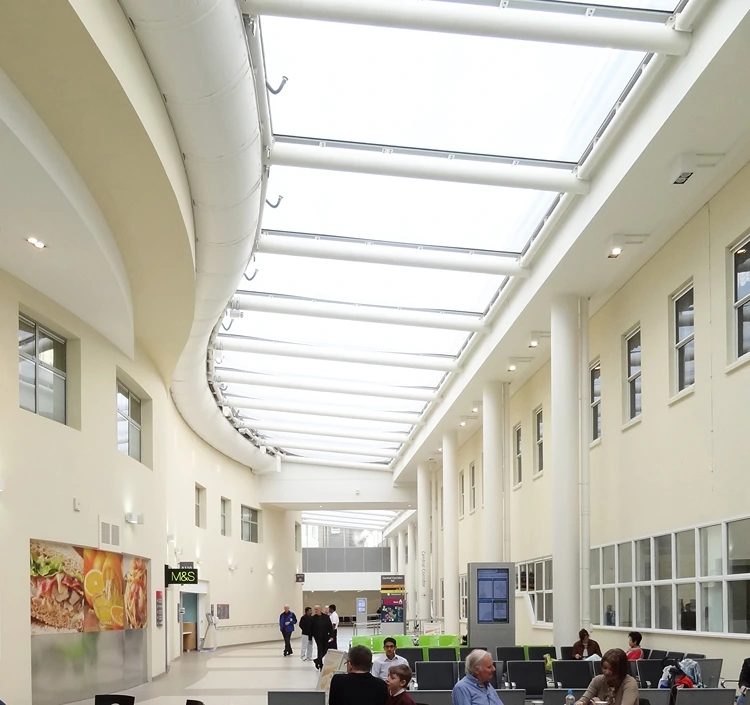
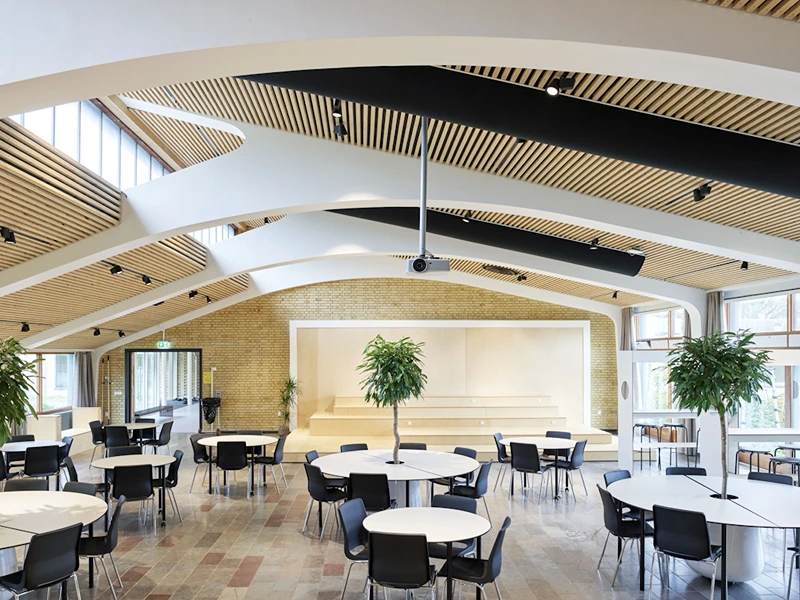
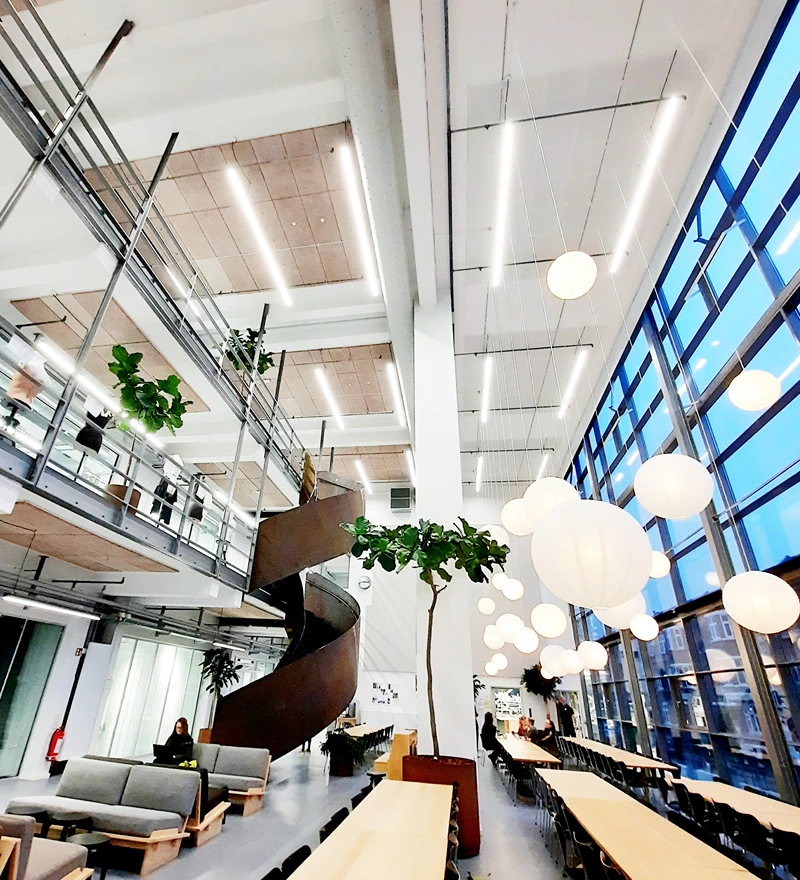
Comfort that makes the difference
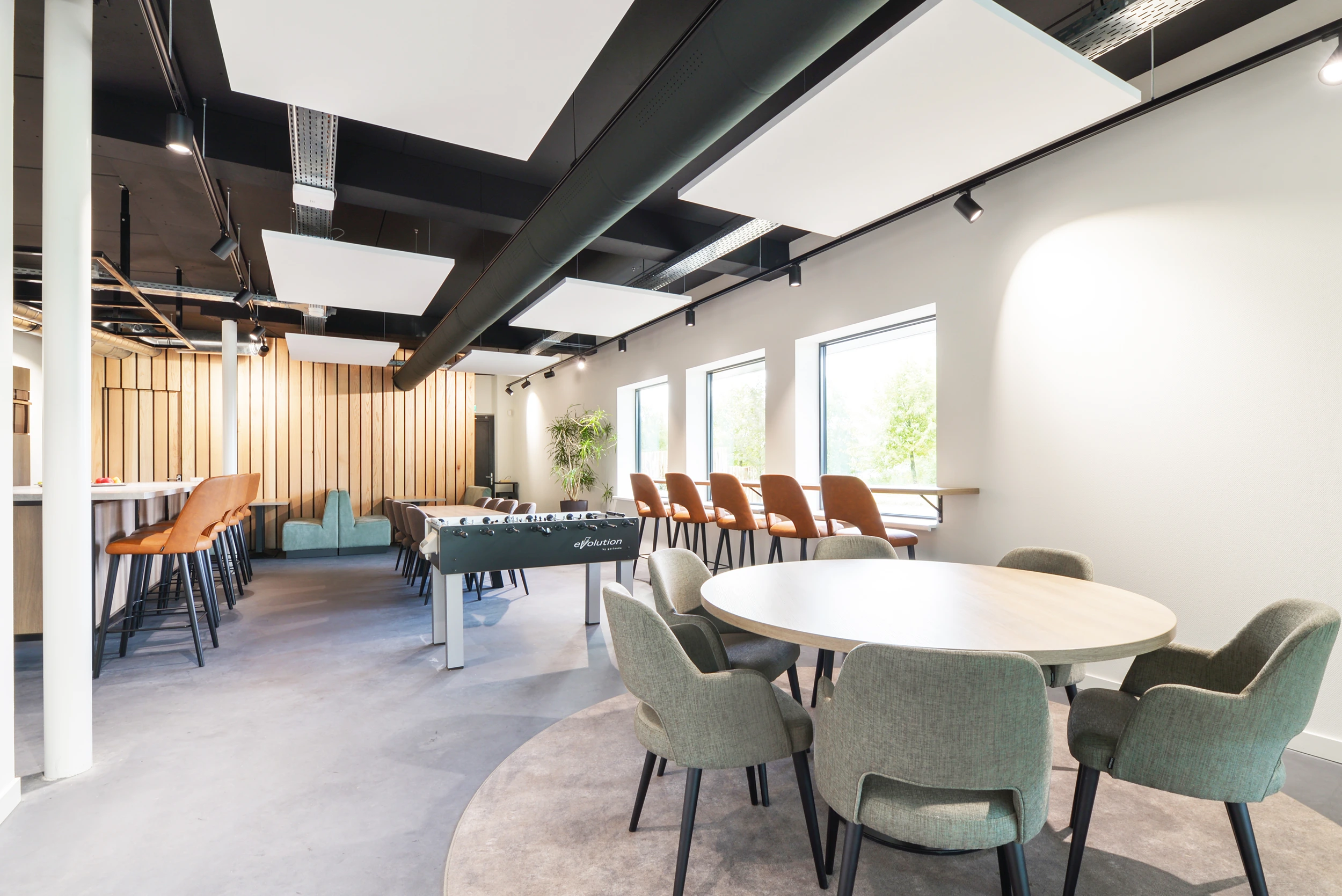
KE Fibertec defines comfort where people in sedentary environments do not experience drafts. This is achieved by the fact that the air velocity in the residence zone does not exceed 0.15 m/s.
The air distribution principle of low-impulse systems is based on passive thermal displacement, in which the air is supplied at a lower temperature than the air in the room. Due to the difference in density, where the cooled air is heavier than the warmer air in the room, the room air is displaced under the duct, while the blown air continues to move towards the floor. Air flow in space is then based on natural air movements, where the air is driven by the difference in density and convection currents from heat-giving activities and processes, hence the term “passive thermal displacement”.
Another option to achieve comfort is hybrid systems, which are low impulse channels, with laser-cut holes. As a result, the low-impulse principle is combined with the high-impulse principle, whereby part of the volume of air in the system is distributed away from the nearest zone under the ducts. This offers obvious advantages in particular if cooling is required where Delta T is higher than 5-6 °C, as it helps to avoid an immediate “cold drop” under the ducts. The cooling load is instead distributed over a larger area of the room.
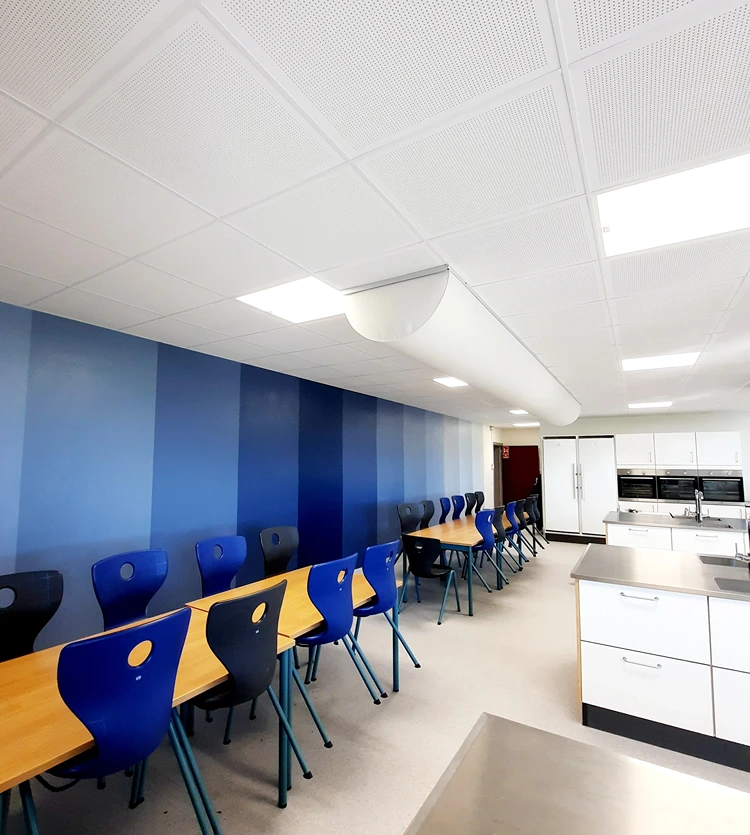
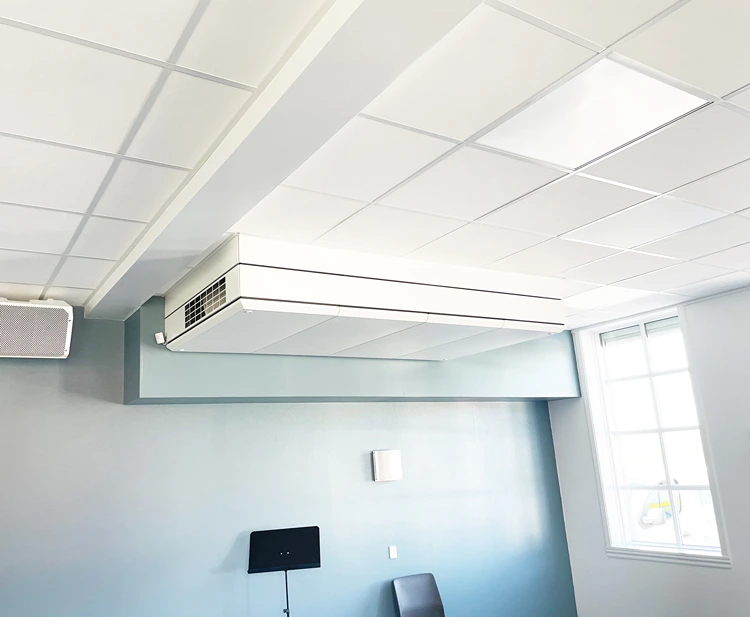
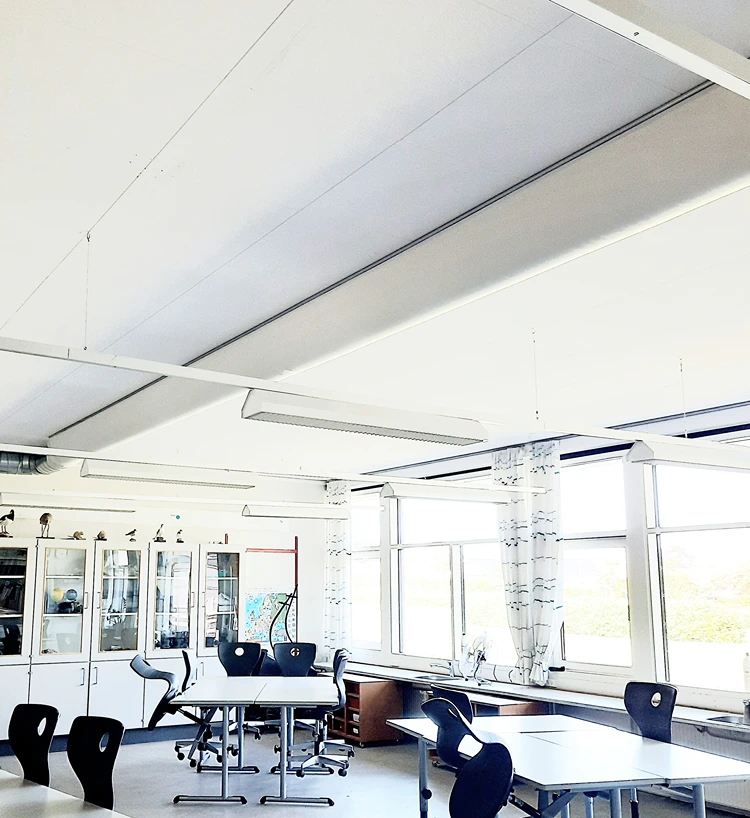
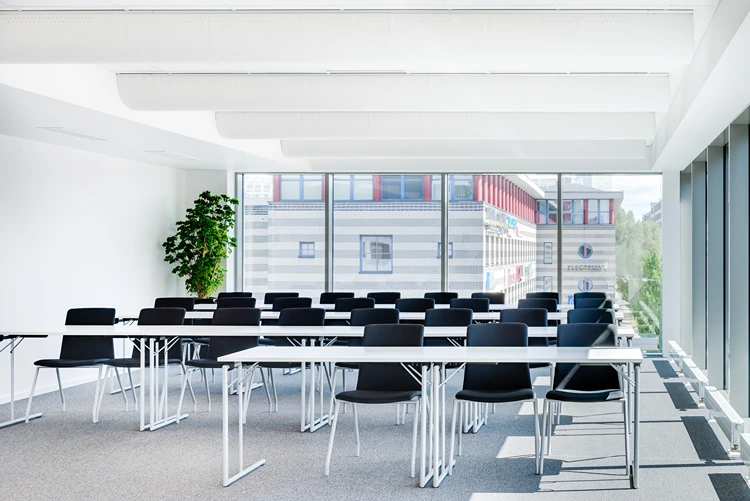
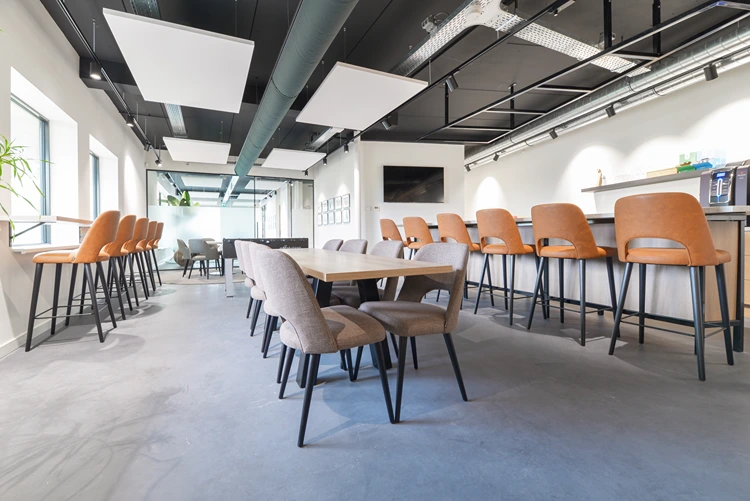
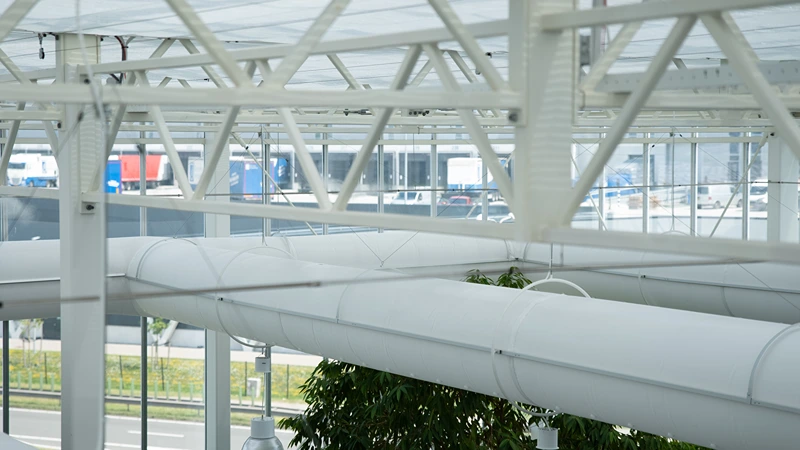
In comfort situations, spaces are often low, so a typical solution is the KE Interior system, which is a semi-round pouch directly mounted on the ceiling in a rail system. Low-impulse comfort solutions are typically used in the applications listed below with a number of advantages.
Controlled air for laboratories

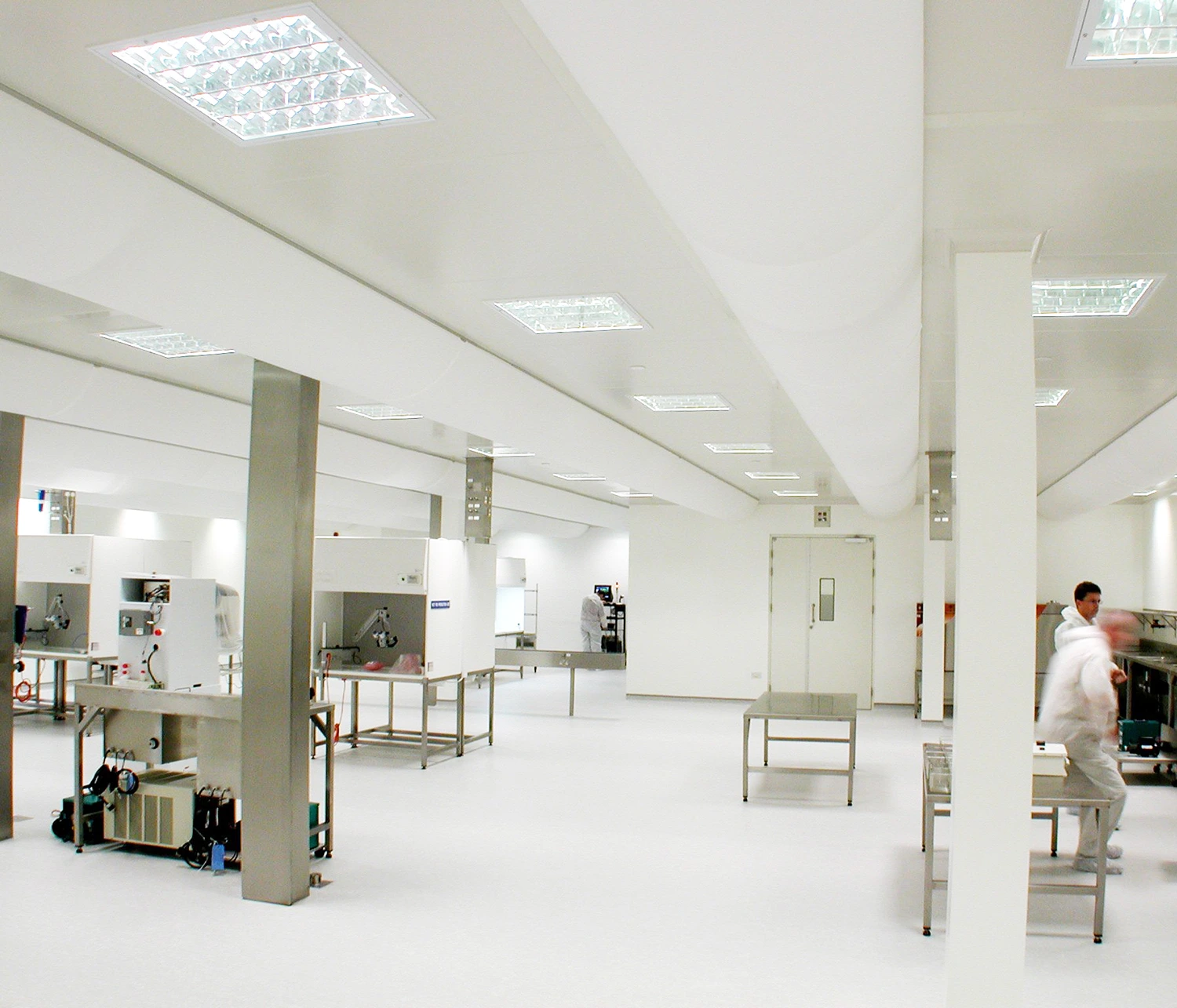
KE Interior can efficiently handle large volumes of air without drafts, making the system ideal for laboratories with stink cabinets and high air exchange.
The solution with KE Interior works quietly, creating a comfortable working environment without disturbing sound. It ensures high comfort, concentration and well-being for everyone staying in the room, while ensuring the efficient operation of ventilation.
For laboratories with clean room requirements, KE Interior can be supplied in Multiweave material, which does not emit fibers and is therefore approved for use down to Cleanroom Class 4.
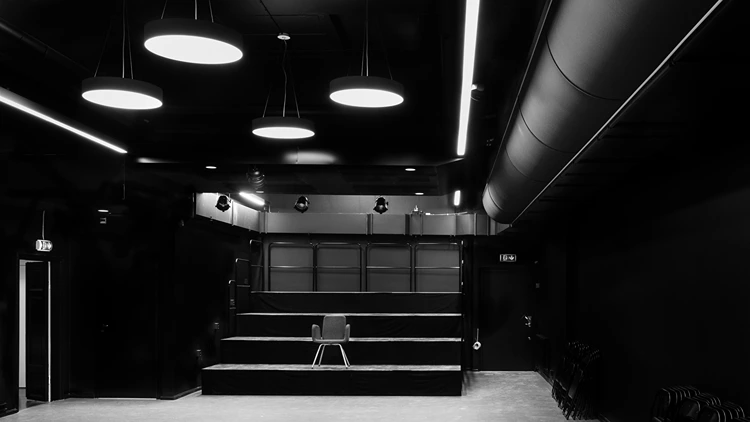
Comfort and sound environment in cinemas, theatres and recording studios
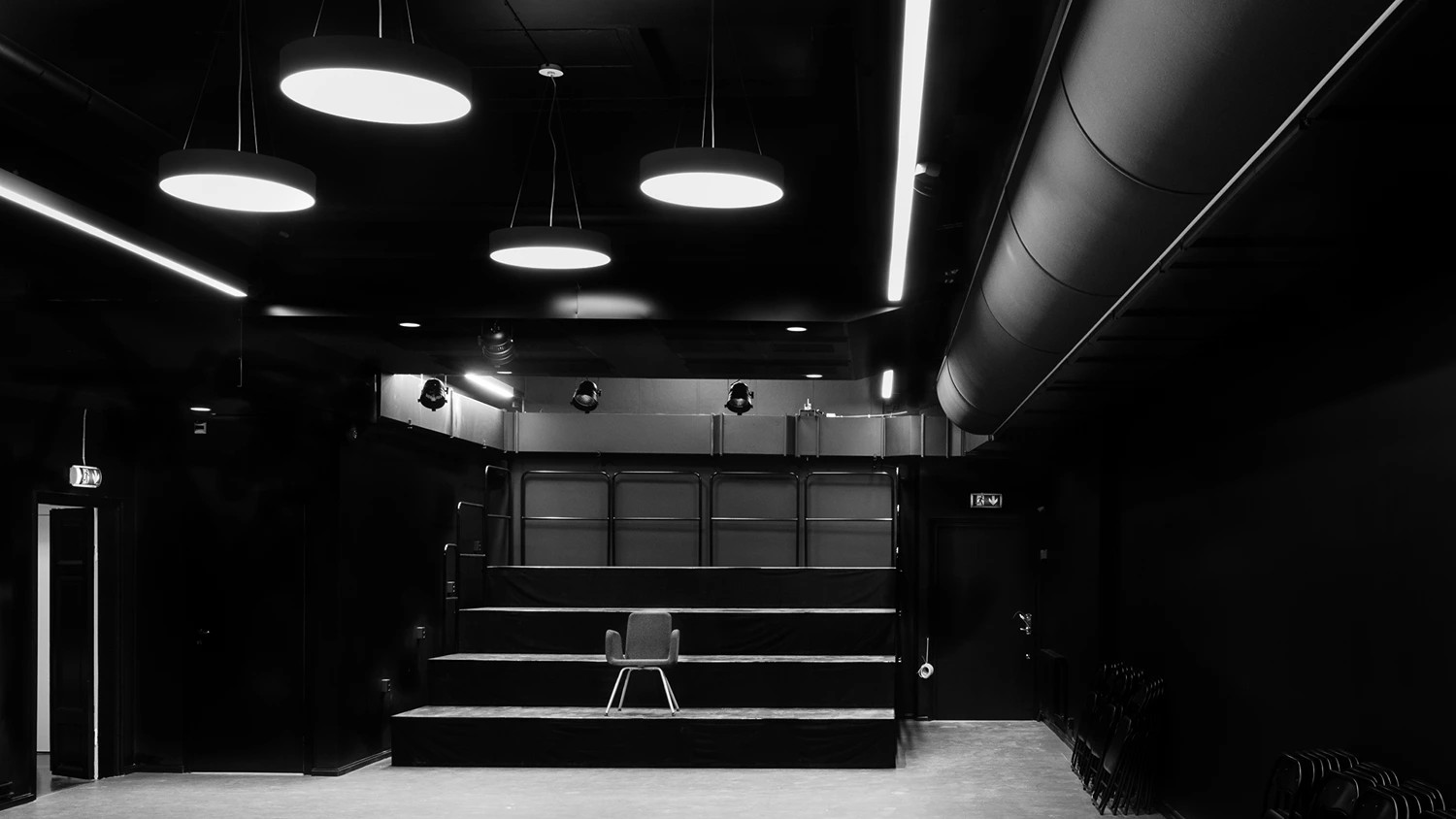
Ventilation air is supplied at low speeds in the living zone, so guests and employees experience a comfortable, quiet air flow.
Ventilation air is supplied at low speeds in the living area, so guests and employees experience a comfortable and quiet airflow without disturbing what is happening in the room.
Low CO2 levels with even distribution of fresh air and temperature remain stable - without compromising on acoustics or room experience.
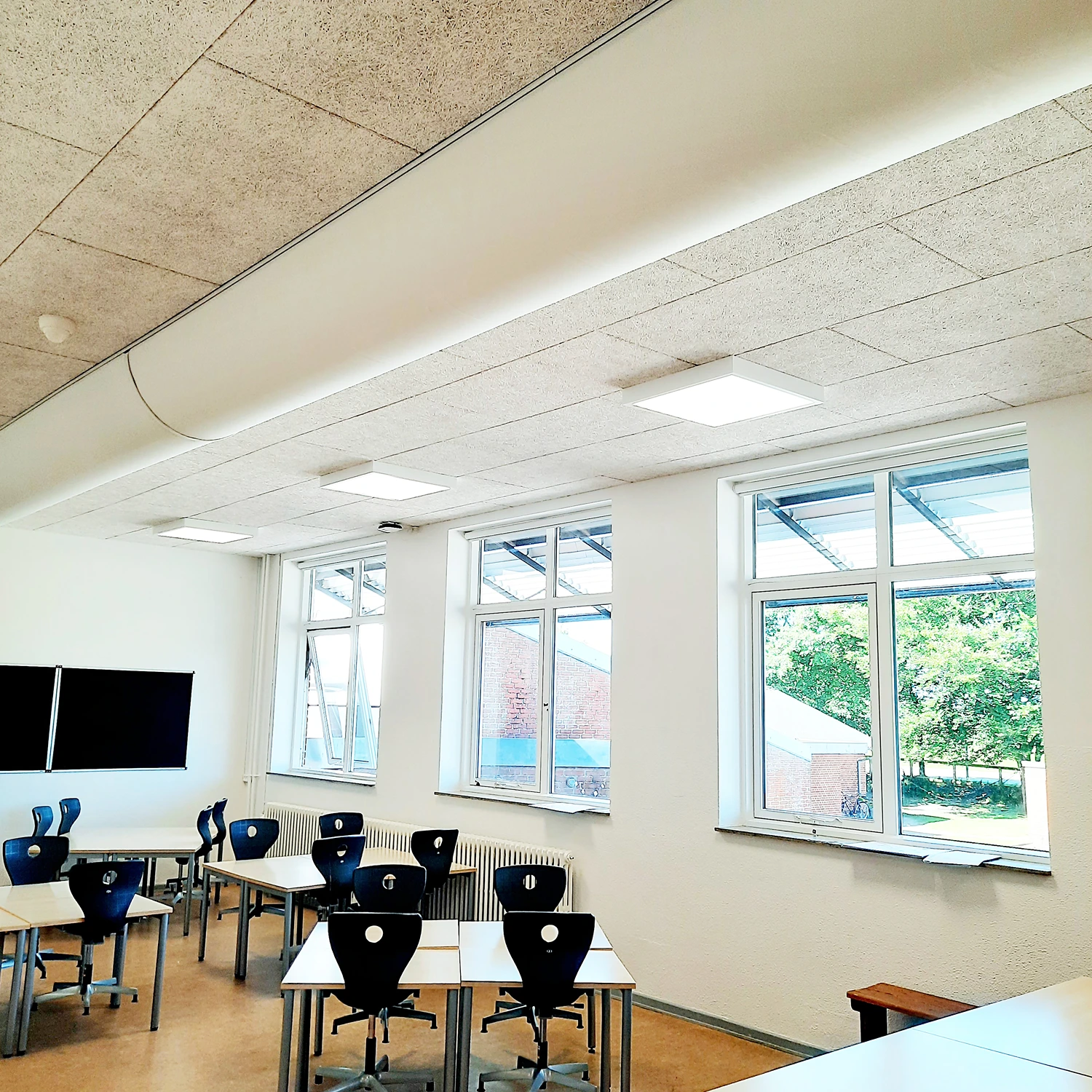
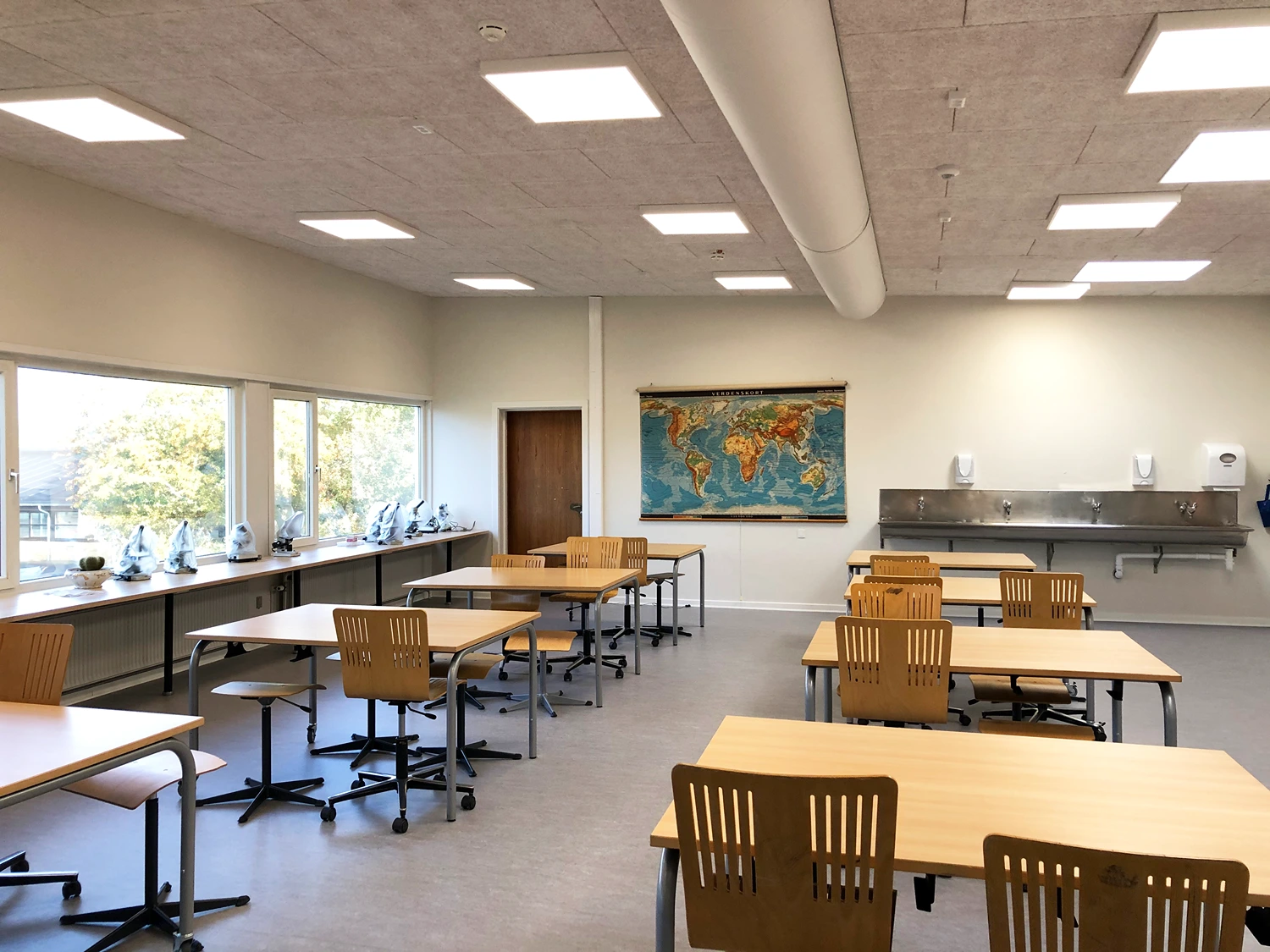
Drag free air in schools and offices
Fresh air is essential for efficiency in both the classroom and the office. Students/employees' performance ability decreases with increasing CO2 levels. When CO2 levels rise from 1000 ppm to 1225 ppm, performance drops 5% and at 1600 ppm a decrease of 10%.
The same applies to the temperature in the room. Performance ability of students and employee's decreases with increasing temperatures. When temperature rises from 22°C to 23.5°C performance decreases by 5% and 10% when temperature rises to 25.5°C.
The KE Interior system is easy to install and can be placed in the room so that the optimum air distribution is achieved.
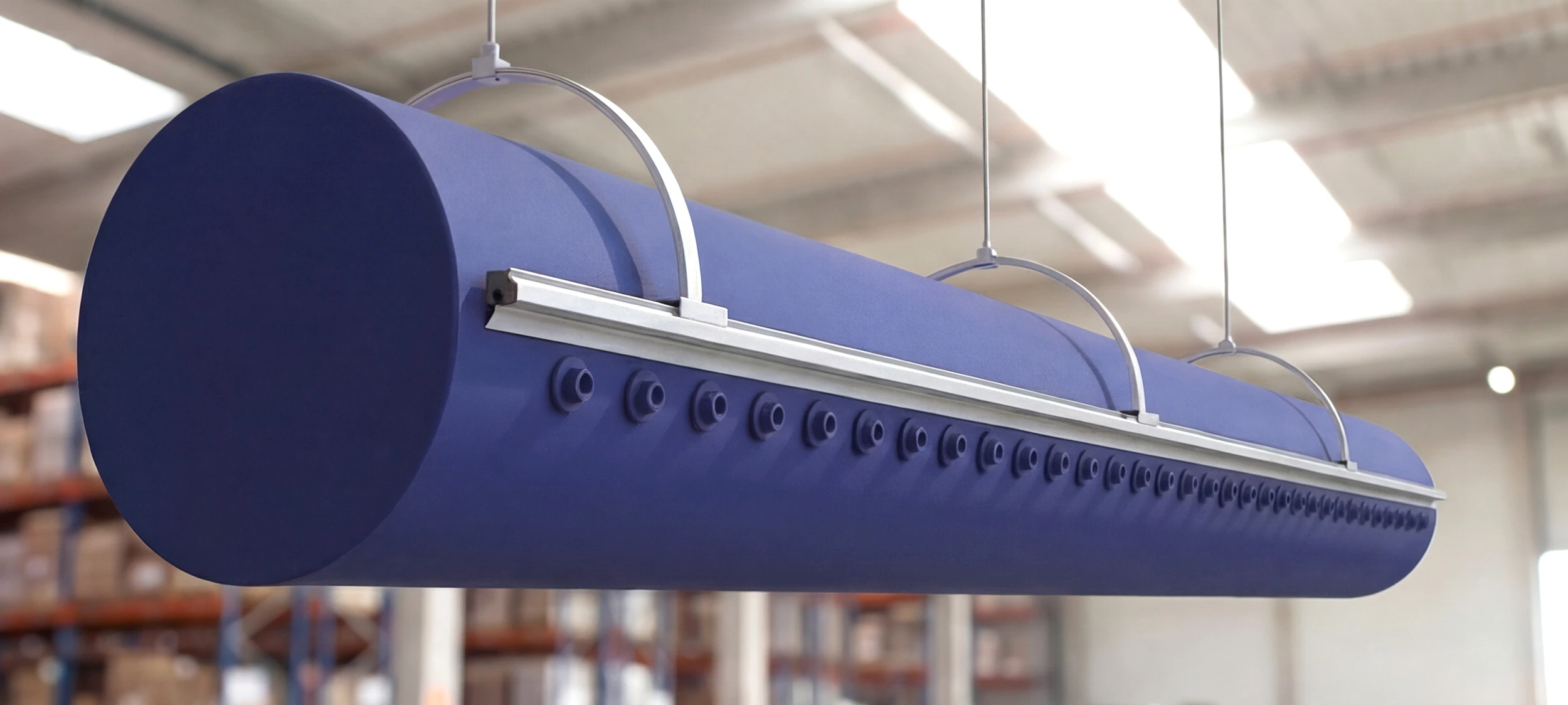
Get expert advice for your next ventilation project
If you’d also like to find out more about textile based ventilation and the benefits it could bring to your next project, please feel free to send us an enquiry – with no obligation.
We’re here to offer advice and guidance on how to ensure an optimal and healthy indoor climate for your construction project. We will contact you to discuss your needs and requirements in more detail, so that we can find the best solution for your project.
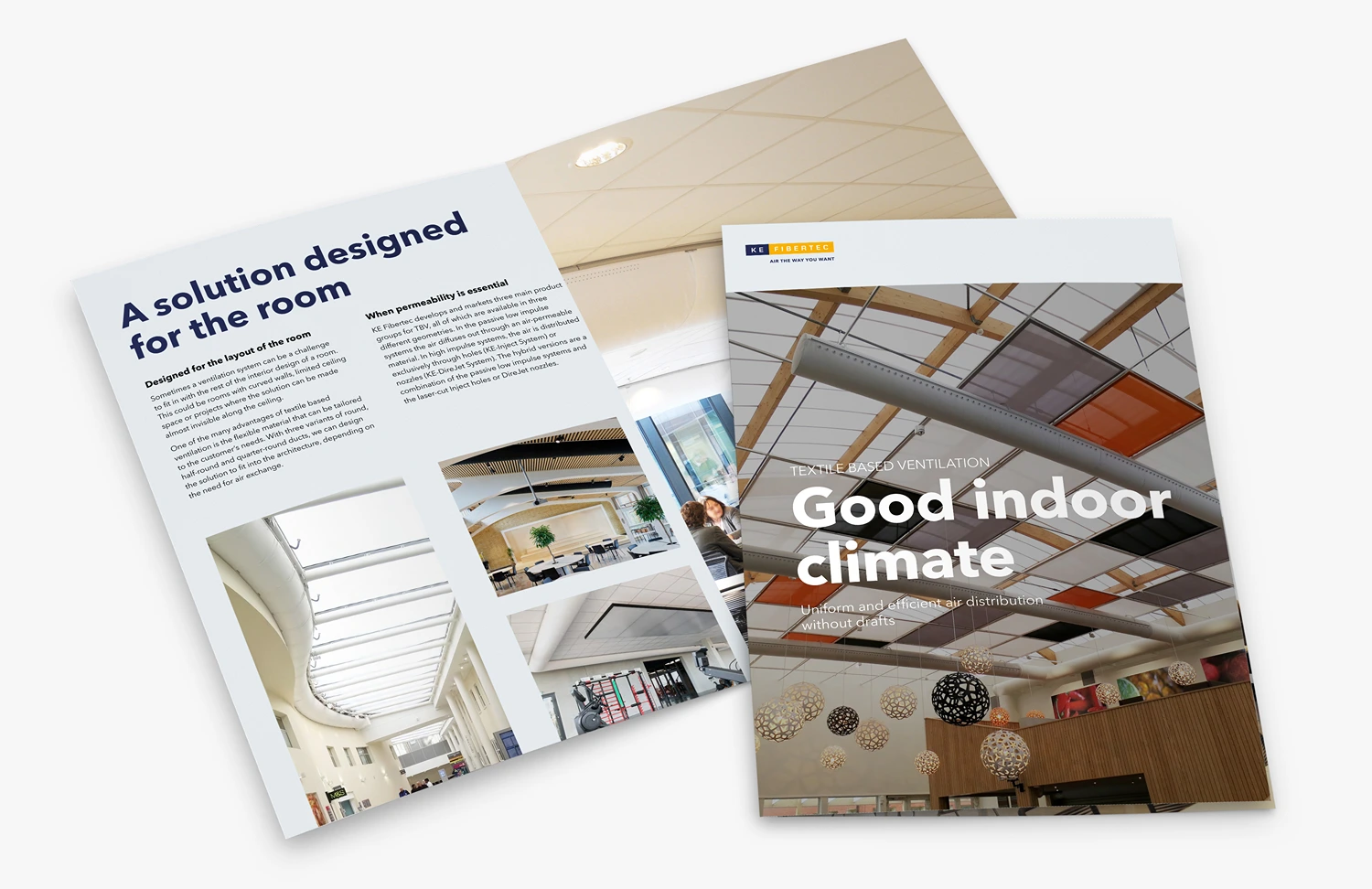
Need some inspiration?
Order the inspiration brochure today and find out all about our solutions and services – from design and systems to how we can help with maintenance.