
Laboratory
Ventilation in laboratories is essential for both safety and the working environment. Effective air exchange removes harmful fumes, particles and chemical substances, reduces the risk of exposure and ensures stable temperature and pressure conditions.
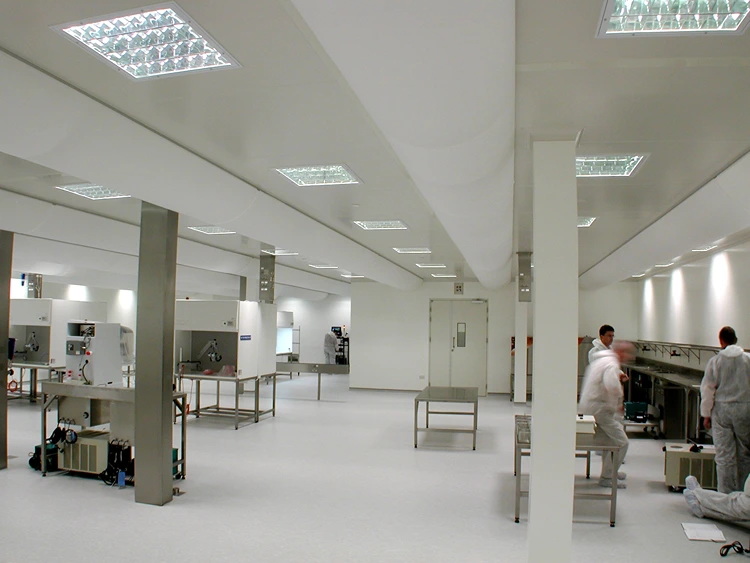
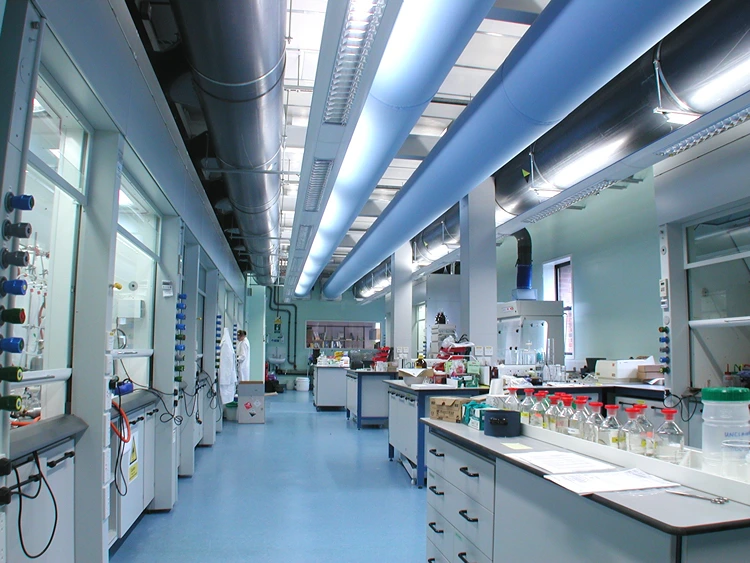

Precise and safe air for laboratories and cleanrooms
Our solutions ensure that large volumes of air are injected at low airspeed directly into the residence zone, which is essential in environments where control and precision are critical. This applies, for example, to VAV stink cabinets, in pharmaceutical production, CAV systems, clean rooms and laboratories.
The controlled air distribution creates a comfortable and safe working environment for the personnel, while complying with the requirements of air quality, hygiene and process precision. The solutions minimize turbulence, prevent cross-contamination and ensure that both temperature and airflow are constantly and precisely regulated.
The result is a ventilation system that not only meets the strictest standards, but also contributes to efficient operation and high safety in critical environments.
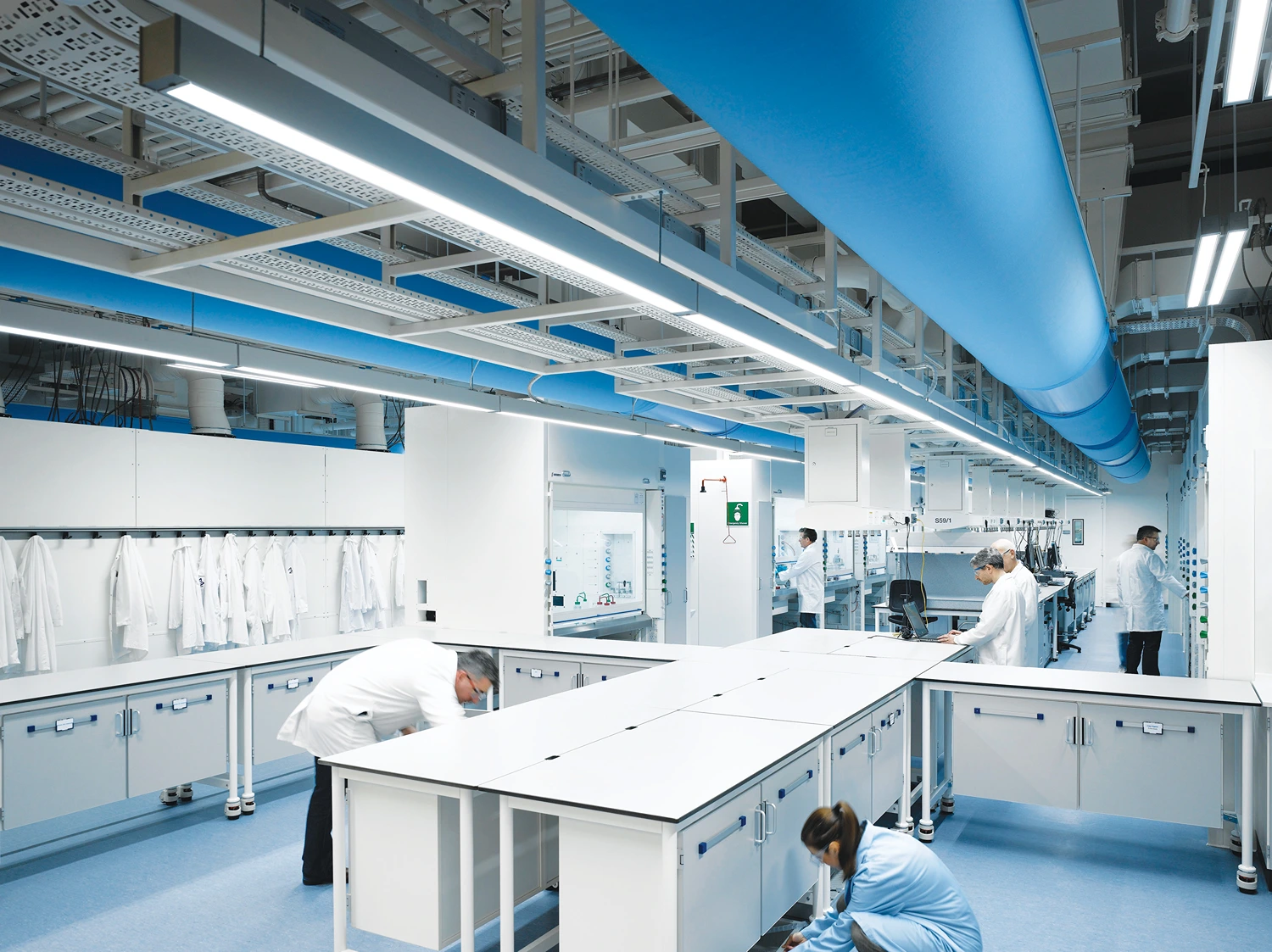
Safety and hygiene are important in laboratories

KE Low Impulse ensures that ventilation removes hazardous fumes, particles and pollutants from the work zone and prevents cross-contamination, protecting both employees and samples.
With a precise airflow for a high level of comfort, a low pulse system ensures smooth air distribution without drafts and stable temperature, creating a comfortable working environment.
The system effectively removes polluted air from stink cabinets and point extractors containing harmful substances, so critical areas receive targeted ventilation
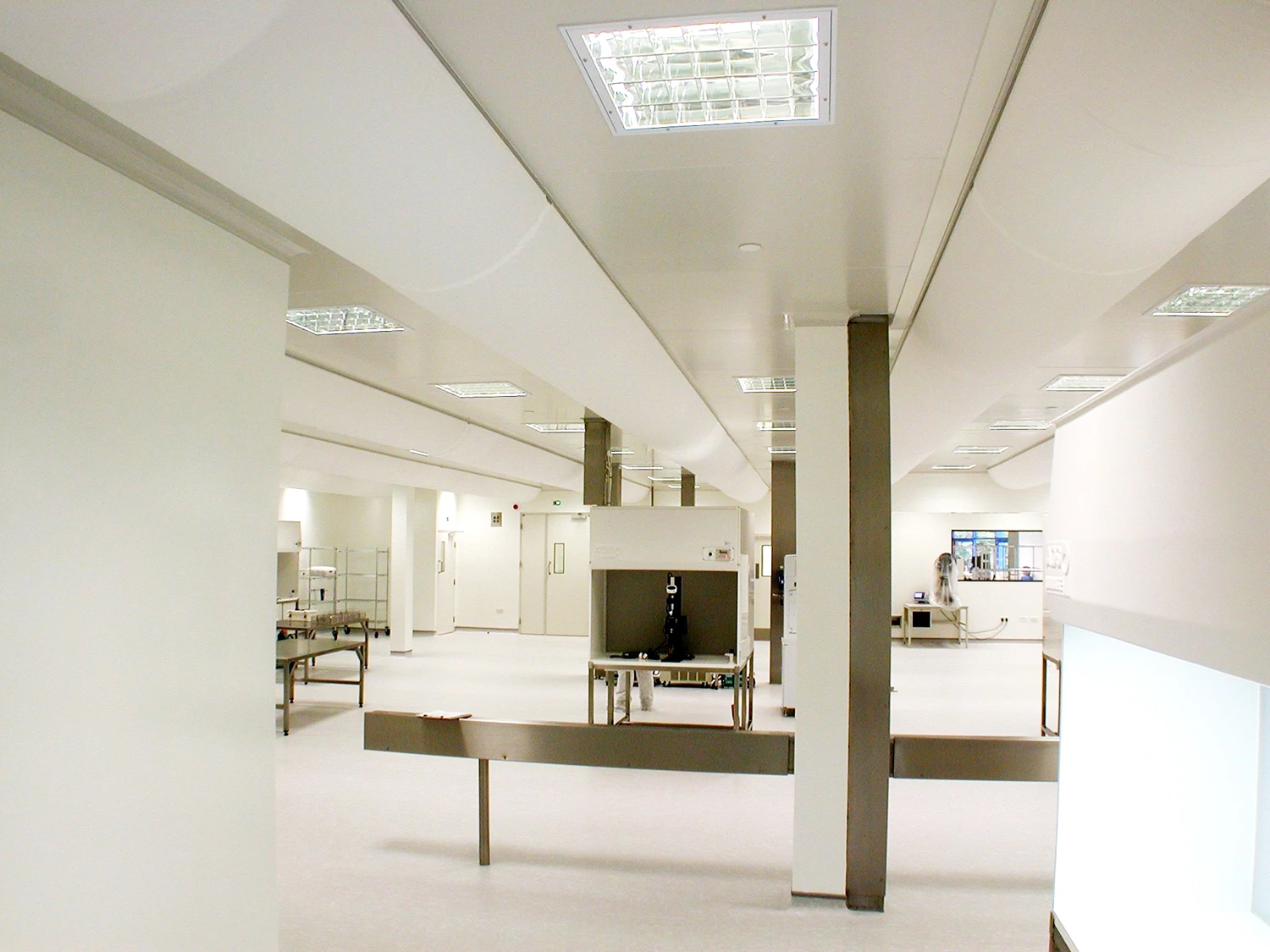
Controlled air exchange in cleanrooms
Clean rooms require consistently high air quality, where dust, particles and microorganisms are kept to a minimum. The ventilation system must maintain the specified number of particles per cubic meter in accordance with standards such as ISO 14644.
Smooth and controlled airflow with KE-Low Impulse creates a stable, uniform airflow that ensures that unclean air does not penetrate the room. This is essential to prevent cross-contamination between clean and less clean areas.
Cleanrooms can change function or layout. Here, the ventilation system must be flexible in design and be adaptable to new processes and workstations without compromising air quality.
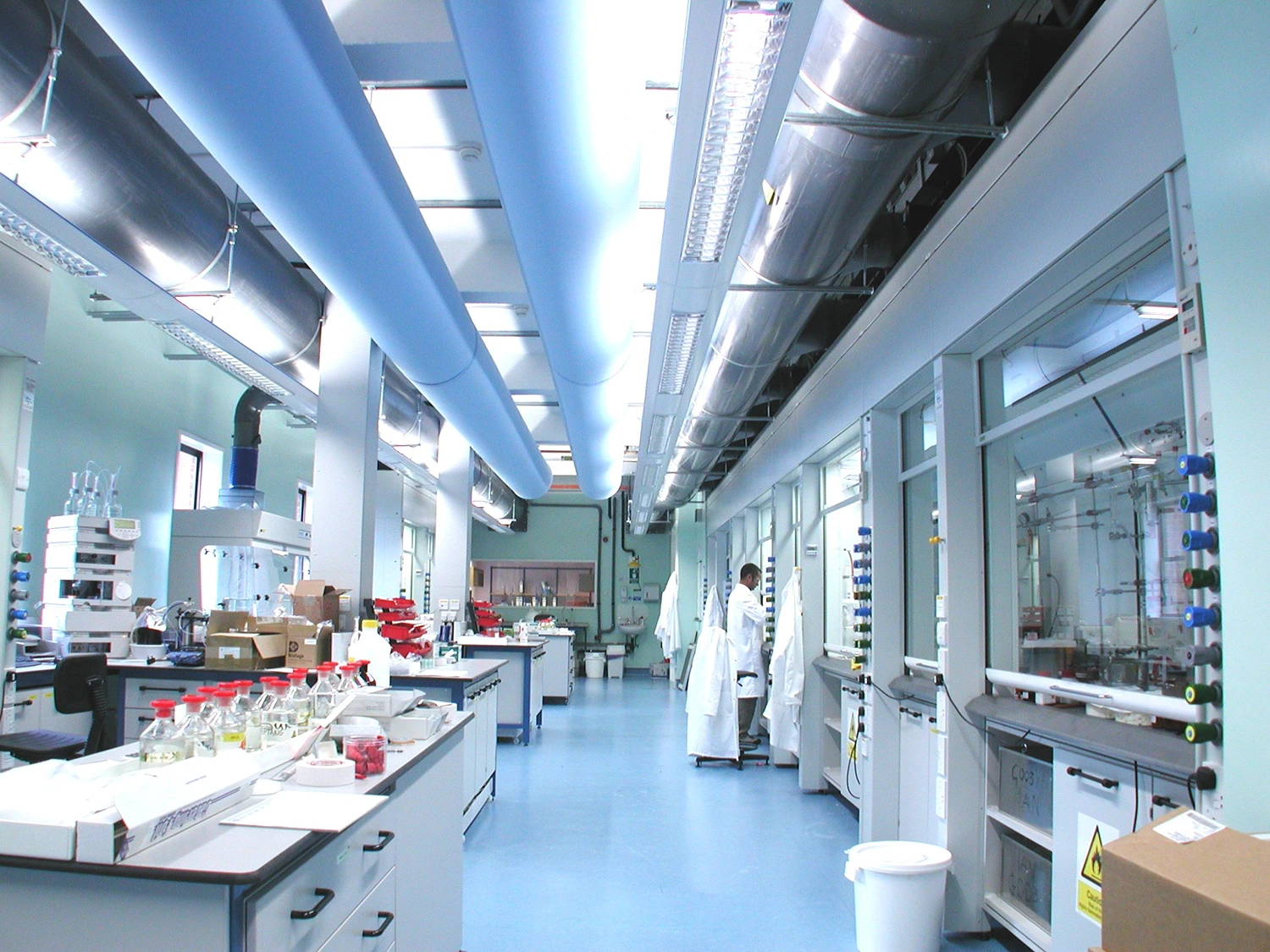
Efficient ventilation with precision for medicine manufacturing
Ventilation in pharmaceutical production is essential for both product quality, employee safety and compliance with legislation and standards. KE-Low Impulse ensures precise control of air quality, pressure and temperature, while minimizing the risk of cross-contamination.
In practice, low-impulse or laminar-flow systems are often used, which blow large volumes of filtered air at low speed directly into the residence zone. This creates a comfortable and draft-free working environment and ensures that the air around critical workstations such as filling and packing areas is constantly clean.
Pressure control is also central: positive pressures prevent impure air from entering, while negative pressures can be used in isolated areas with potentially hazardous substances.
Get expert advice for your next ventilation project
If you’d also like to find out more about textile based ventilation and the benefits it could bring to your next project, please feel free to send us an enquiry – with no obligation.
We’re here to offer advice and guidance on how to ensure an optimal and healthy indoor climate for your construction project. We will contact you to discuss your needs and requirements in more detail, so that we can find the best solution for your project.
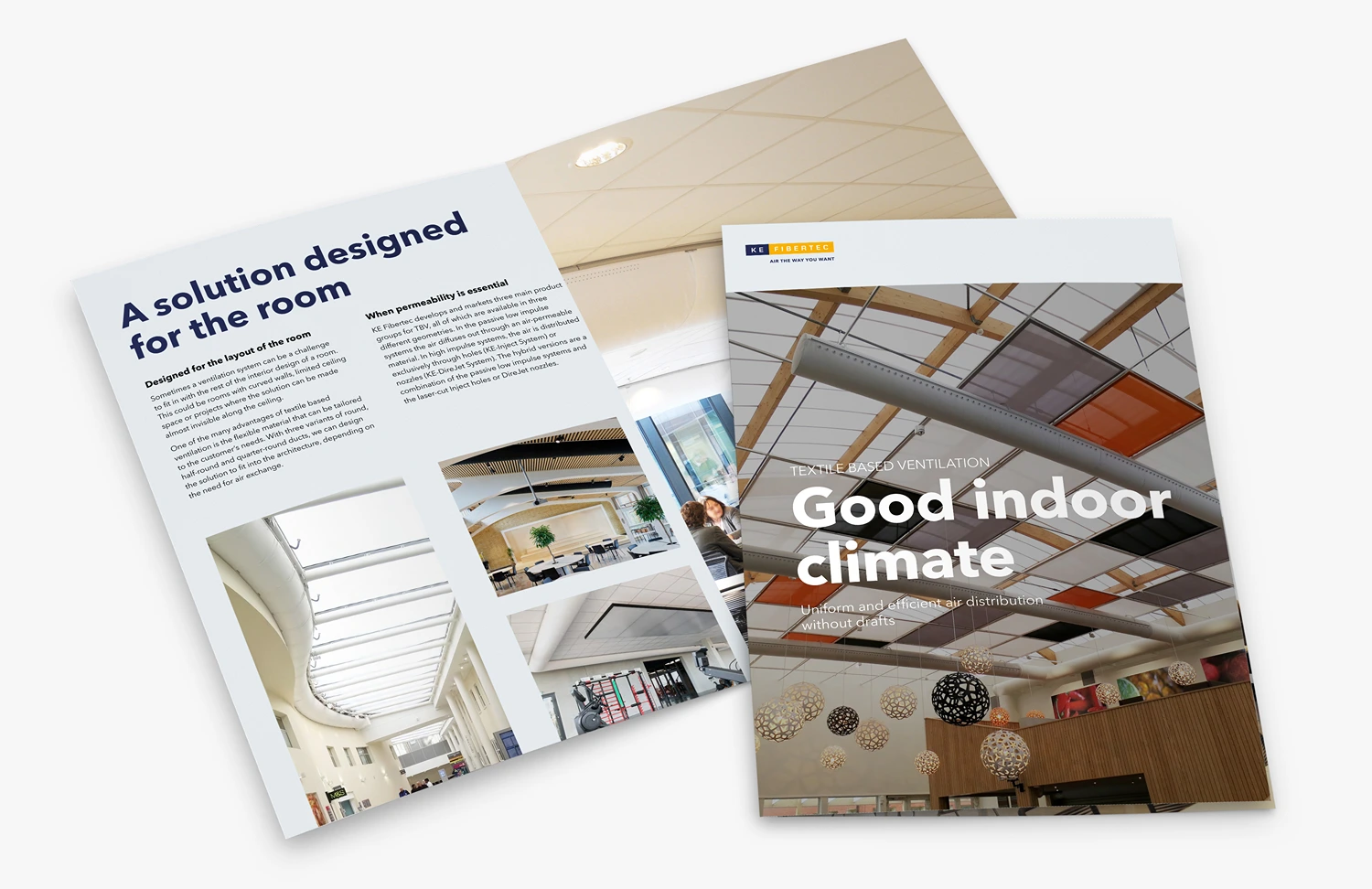
Need some inspiration?
Order the inspiration brochure today and find out all about our solutions and services – from design and systems to how we can help with maintenance.
FAQs
Do you have any more questions? Write to us.
Find answers to most of what you need to know here or contact us directly for further help and guidance.
By adding the air directly in the sub-temperature living zone, efficient heating and cooling is achieved without oversized ventilation volumes. It can reduce the energy consumption of the cooling and heating system by up to 30% and at the same time minimize the need for expensive steel equipment.
A textile based ventilation system is lighter both in the weight of the material and when assembled. This means significantly shorter assembly time - up to 9 times faster in fact. Including the assembly time, it provides significantly lower operating and construction costs than traditional steel solutions.
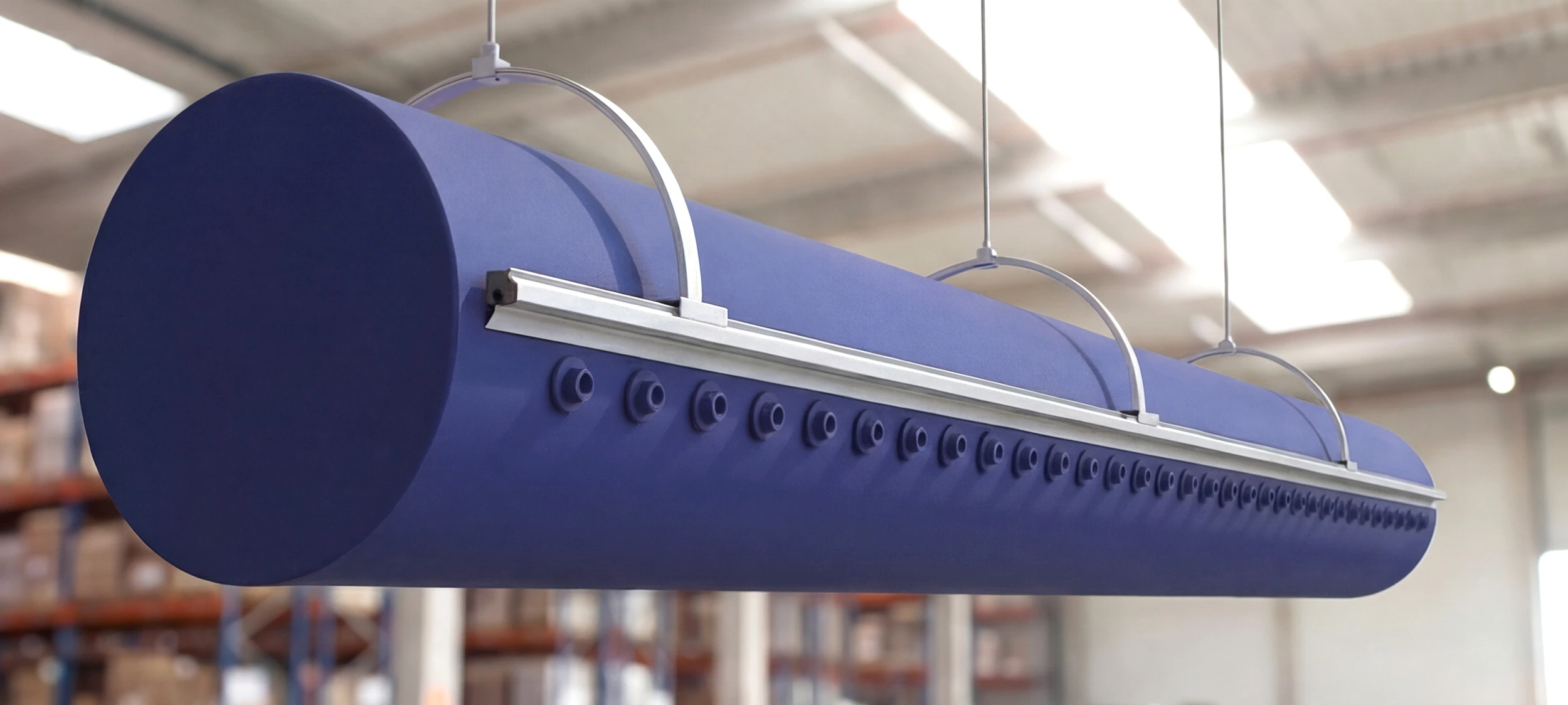
The nozzles limit the induction of room air, so the air loses speed slower. The result is longer throwing length and deeper thermal penetration, ensuring that both hot and cold air are accurately distributed throughout the room.
The hybrid solution combines dense but air-permeable fabrics with KE DireJet nozzles. It prevents condensation and dust on the ducts and ensures that both hot and cold air can be distributed efficiently and comfortably in the room.
Industrial refrigeration is a general term for refrigeration in industrial enterprises where maximum air speeds in the room are needed.