

Food
Avoid condensation problems or growth of microorganisms with special woven materials for equalization rooms, process cooling, storages/terminals, high rooms, etc.
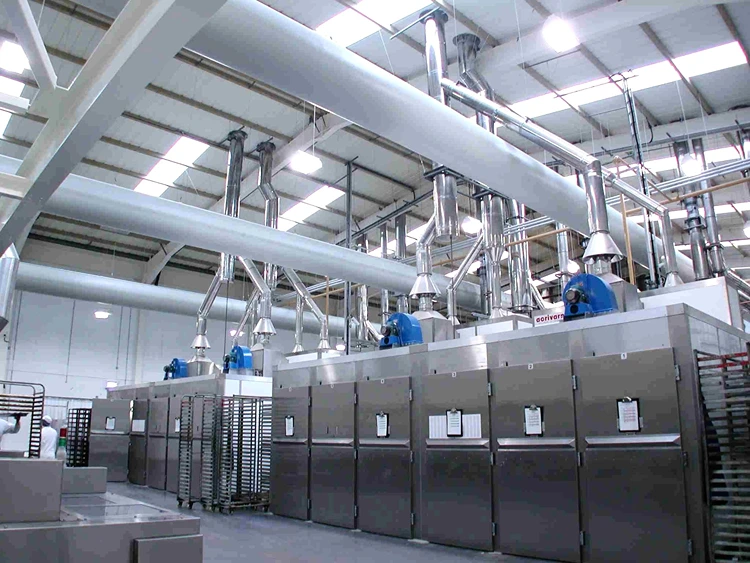
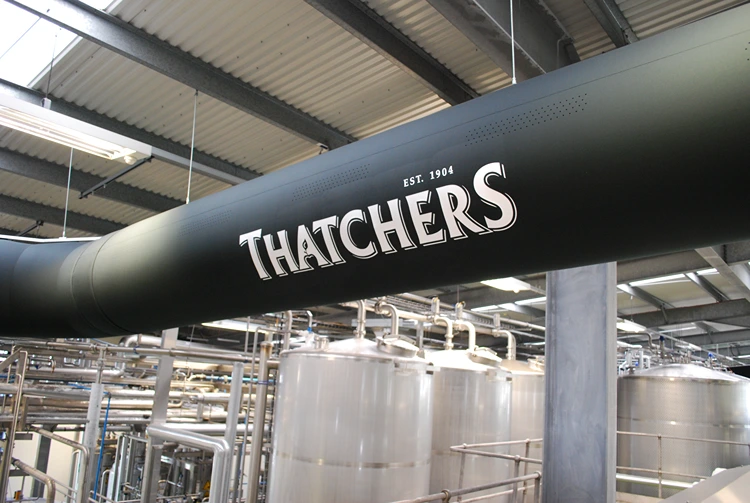
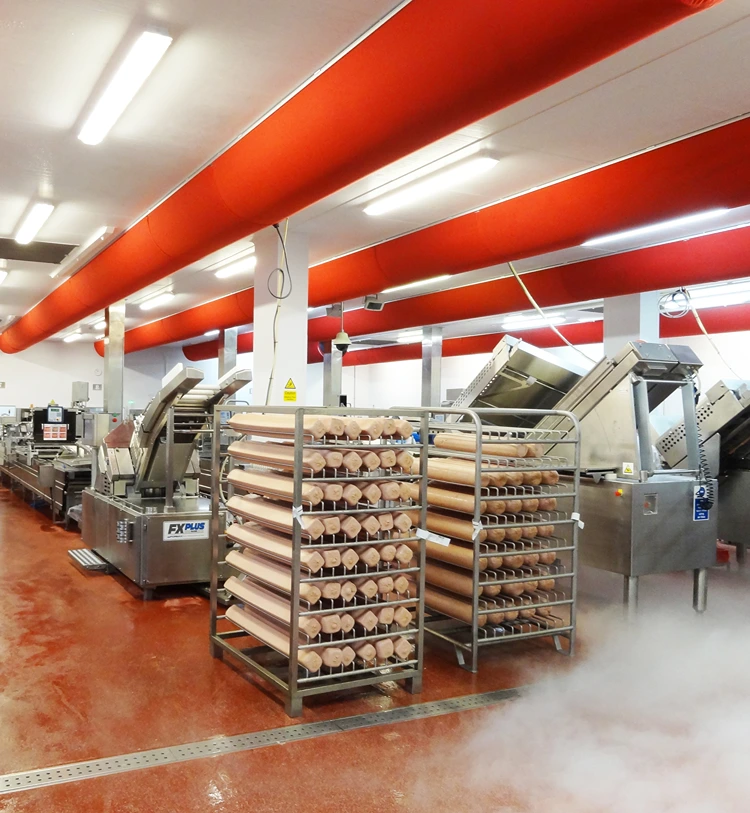
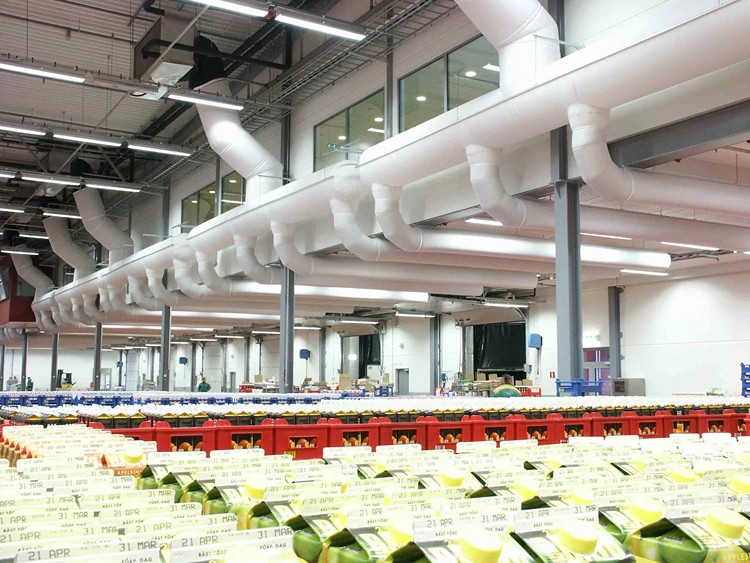
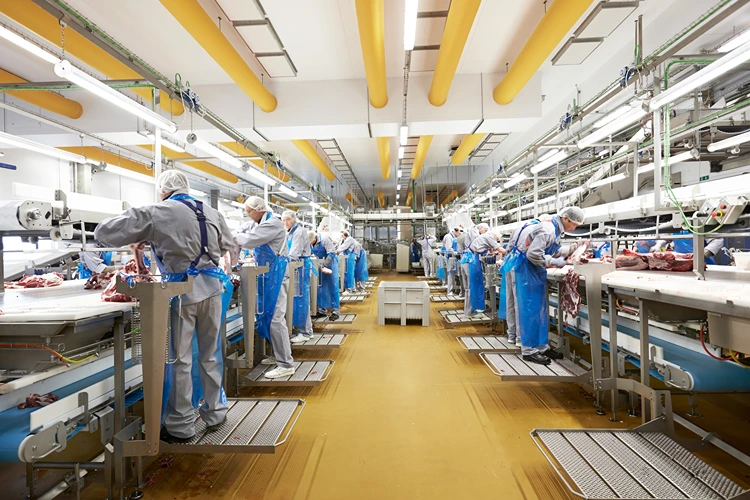
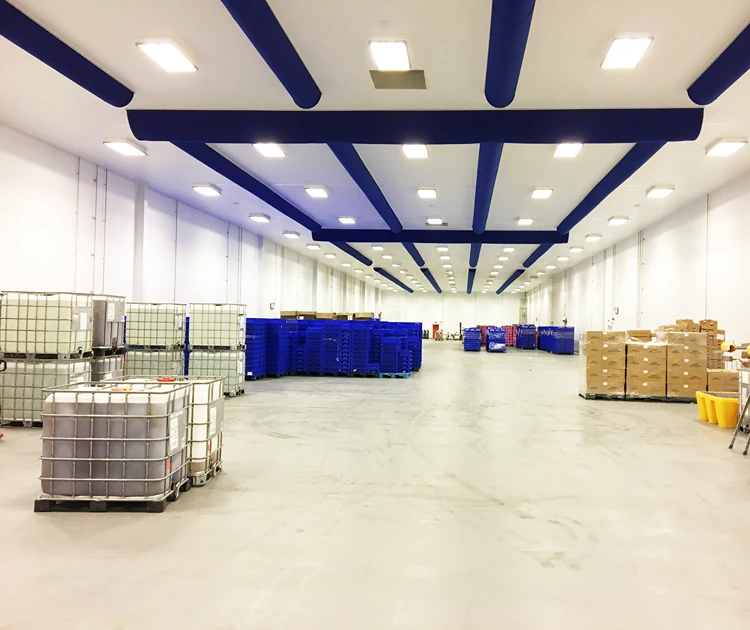
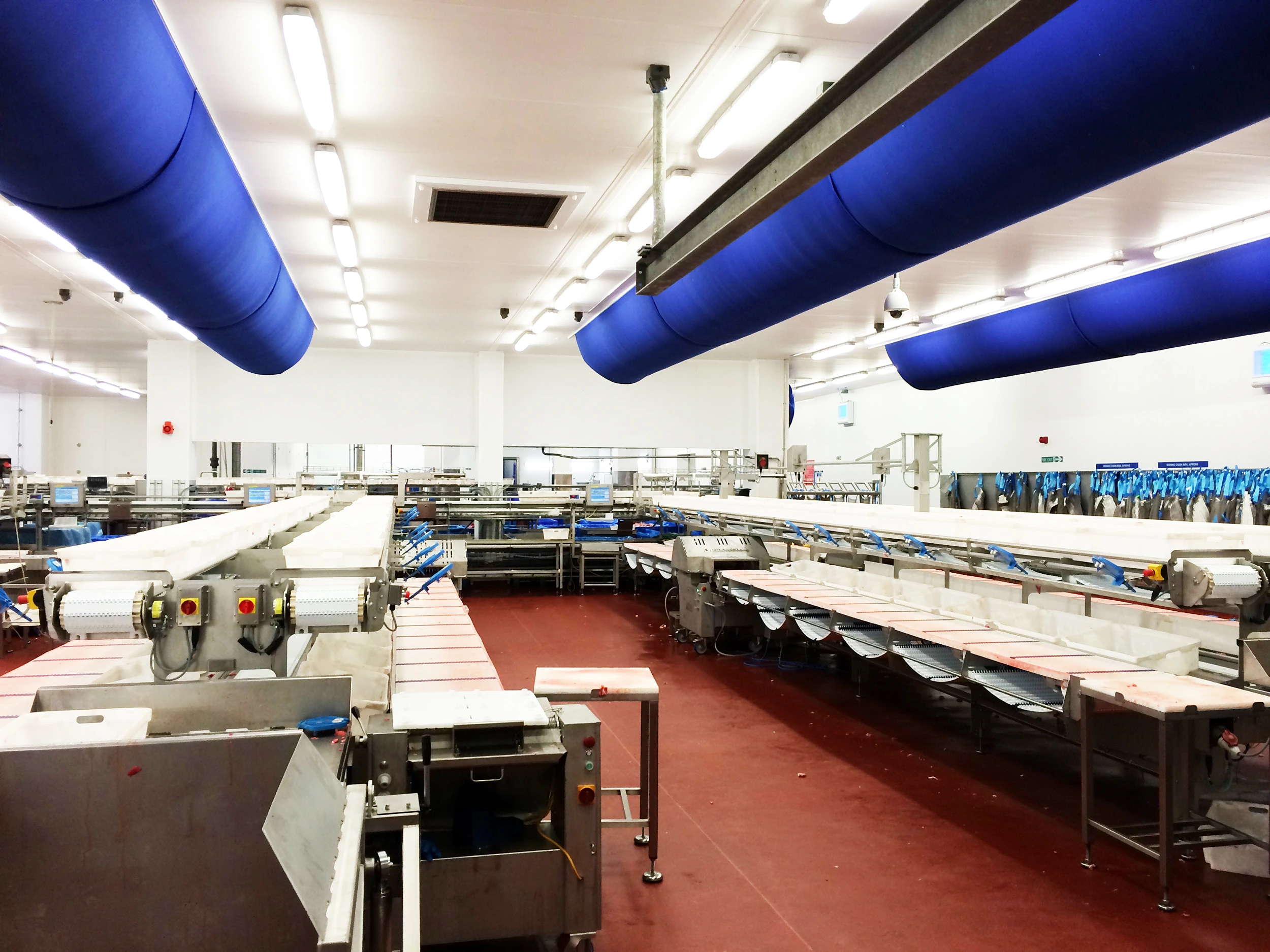
Precise and reliable air distribution for food production
The air distribution principle of low-impulse systems is based on passive thermal displacement, in which the air is supplied at a lower temperature than the air in the room. Due to the difference identicity, where the cooled air is heavier than the warmer air in the room, the room air is displaced under the duct, while the blown air continues to move towards the floor. Air flow in space is then based on natural air movements, where the air is driven by the difference in density and convection currents from heat-giving activities and processes, hence the term “passive thermal displacement”. This classic KE-Low Impulse solution has been used in Danish slaughterhouses since 1974 and is the best way to bring supercooled air into an already cold room where people need to work efficiently. Solutions with KE-Low Impulse are used, among other things, in processing rooms in slaughterhouses. Check out some of the benefits you get here.
Hybrid systems with low-pulse channels and laser-cut holes combine low- and high-impulse principles. This distributes some of the air away from the zone directly below the ducts and reduces instantaneous cold falls, especially when cooling with DeltaT above 5—6 °C. The cooling load is spread evenly over the room, ensuring better comfort. Solutions with hybrid systems are typically used in cheese maturing rooms, packing plants or warehouses — see more below.
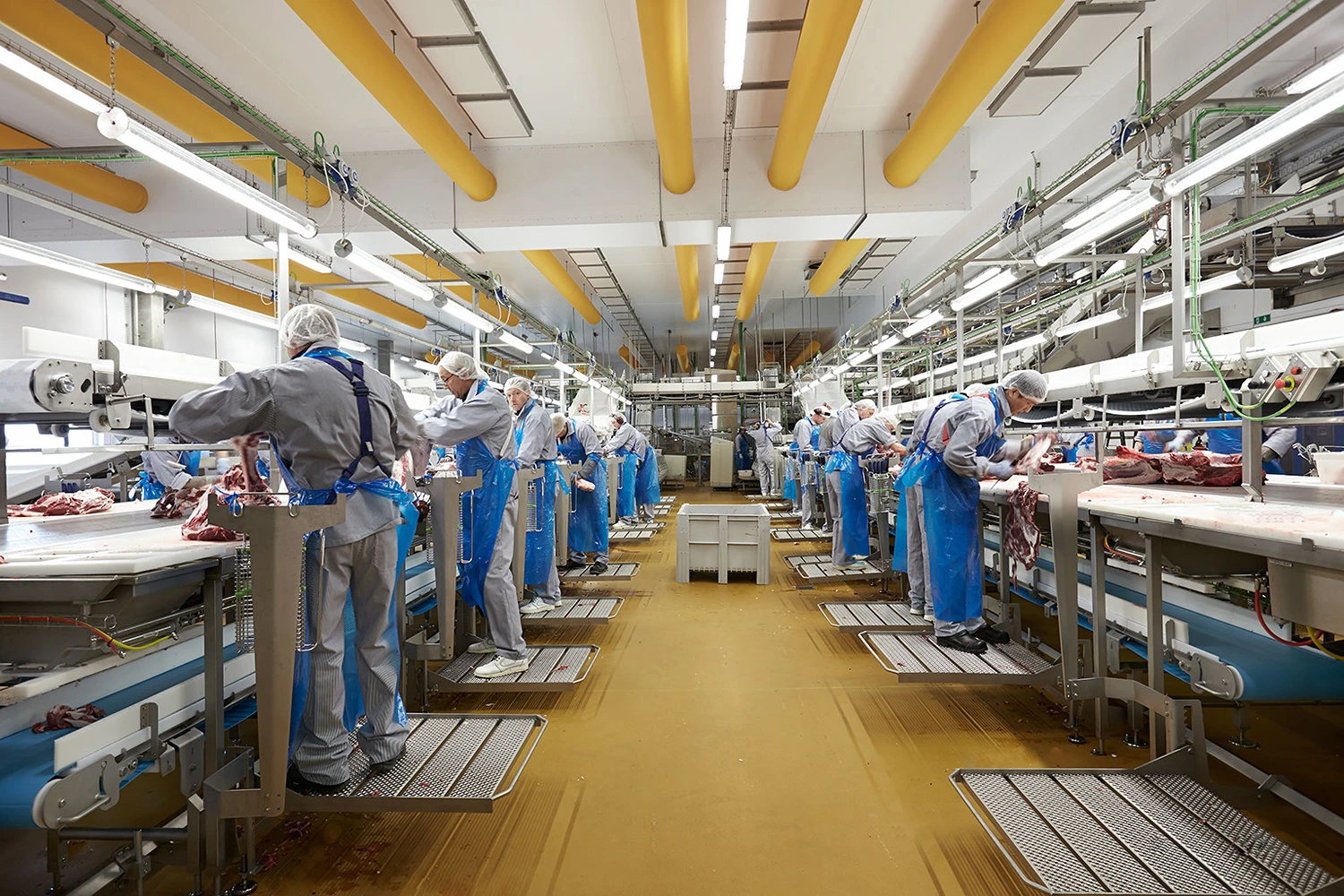
Processing rooms in slaughterhouses

Draftless ventilation ensures a good working climate
Washable textile ducts for better hygiene
Condense-free solution — reduces the risk of bacterial growth
Greenweave effectively filters dust and ensures clean air in the room
When maintaining, the bag is sent for external washing, which eliminates the risk of contamination in food areas
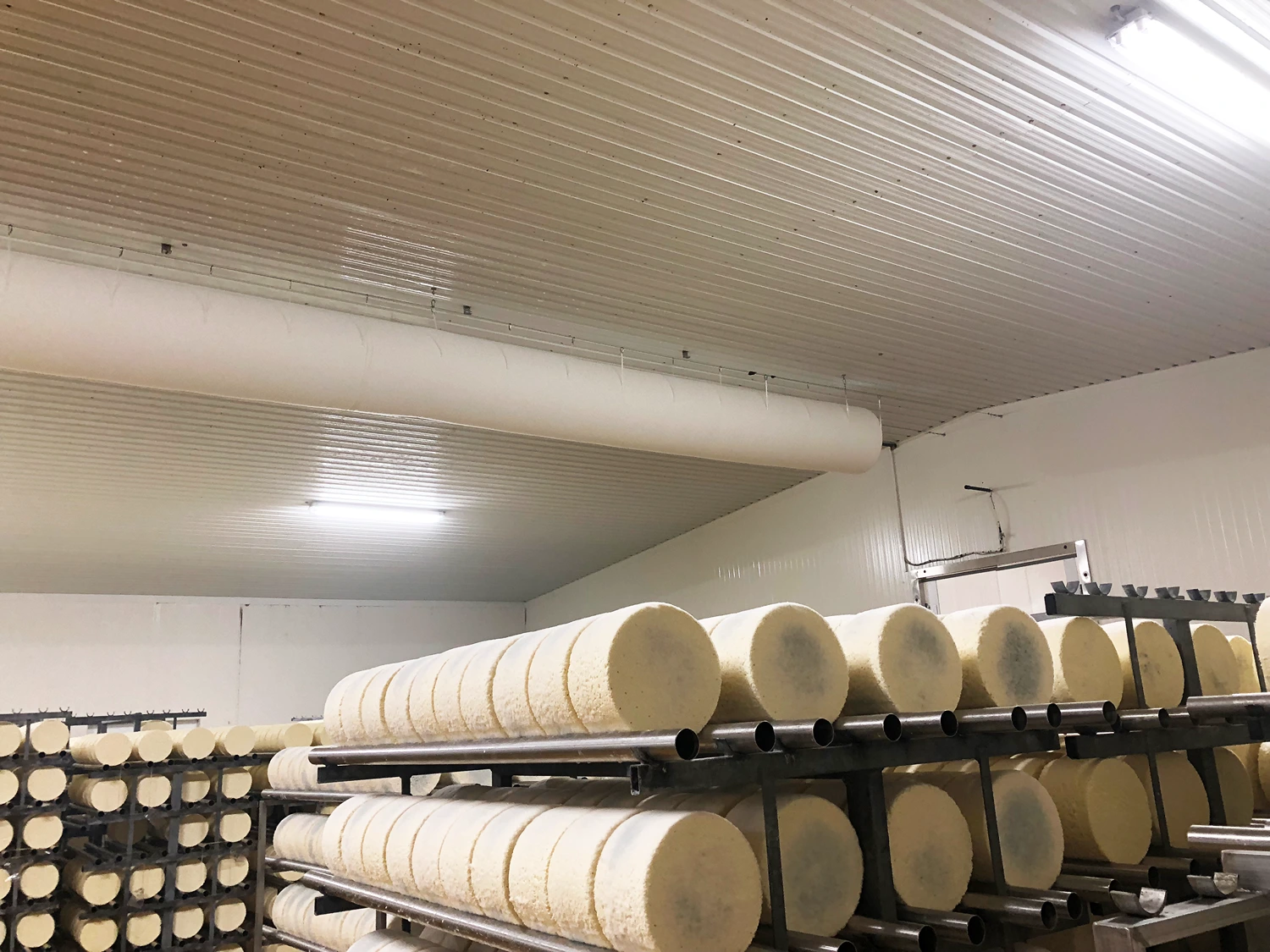
Cheese maturing room, packing room and warehouse storage
Uniform air distribution ensures quality in cheese curing, packing and warehousing.
Minimal stratification — ideal for food storage
Contamination risk in food areas is eliminated as the textile duct is easily dismantled external washing and maintenance
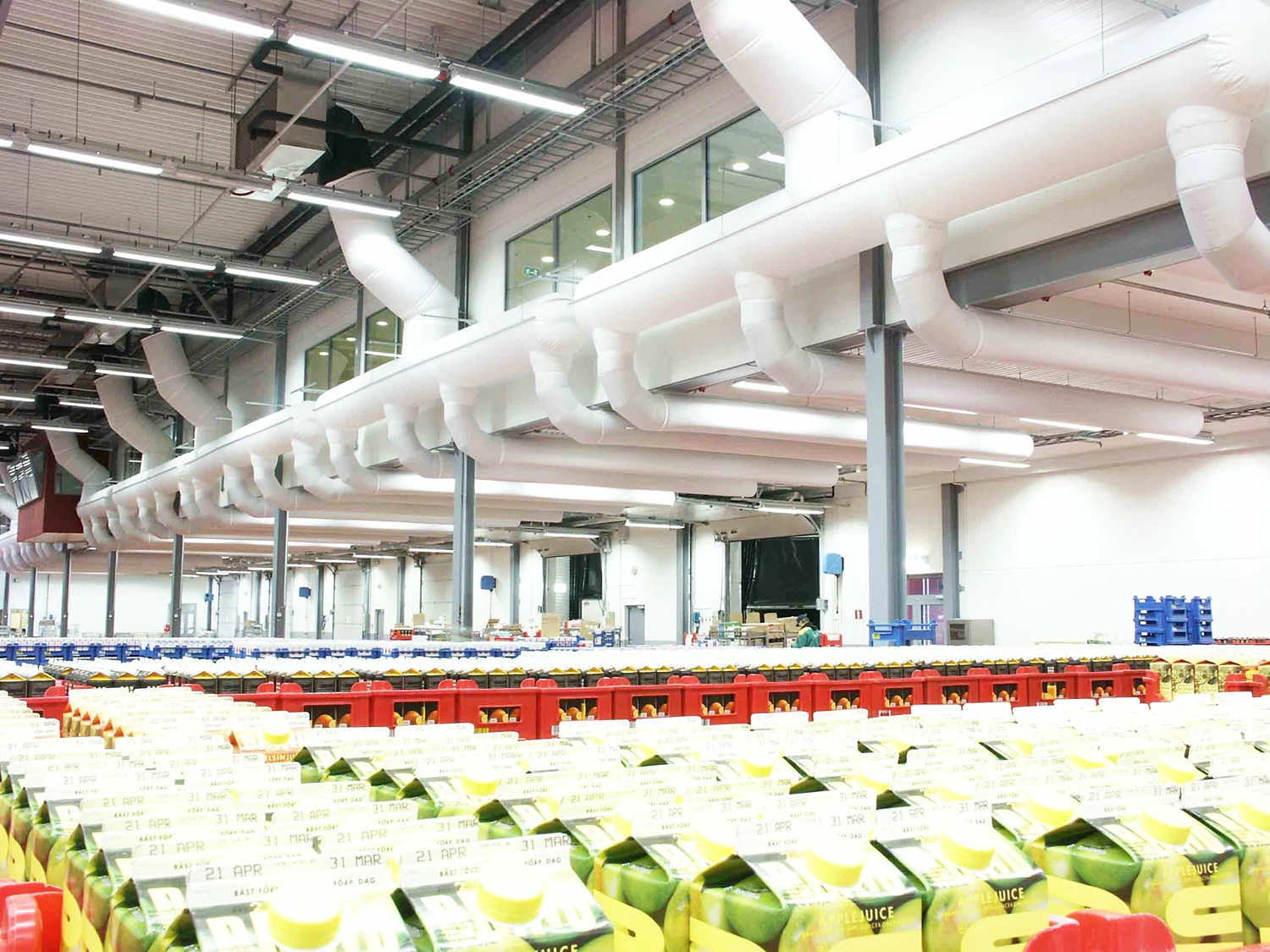
Solutions suitable for the food industry
With KE-Interior, the air is distributed with our low-impulse system with half-round or quarter-round textile ducts
KE-Direjet is the system of a permeable textile material with rows of tapered nozzles for 100% active and directional injection
The KE-Low Impulse system is performed as round blow-in bags, where the air is often based on passive thermal displacement, in which the air is blown in at a lower temperature relative to the room air
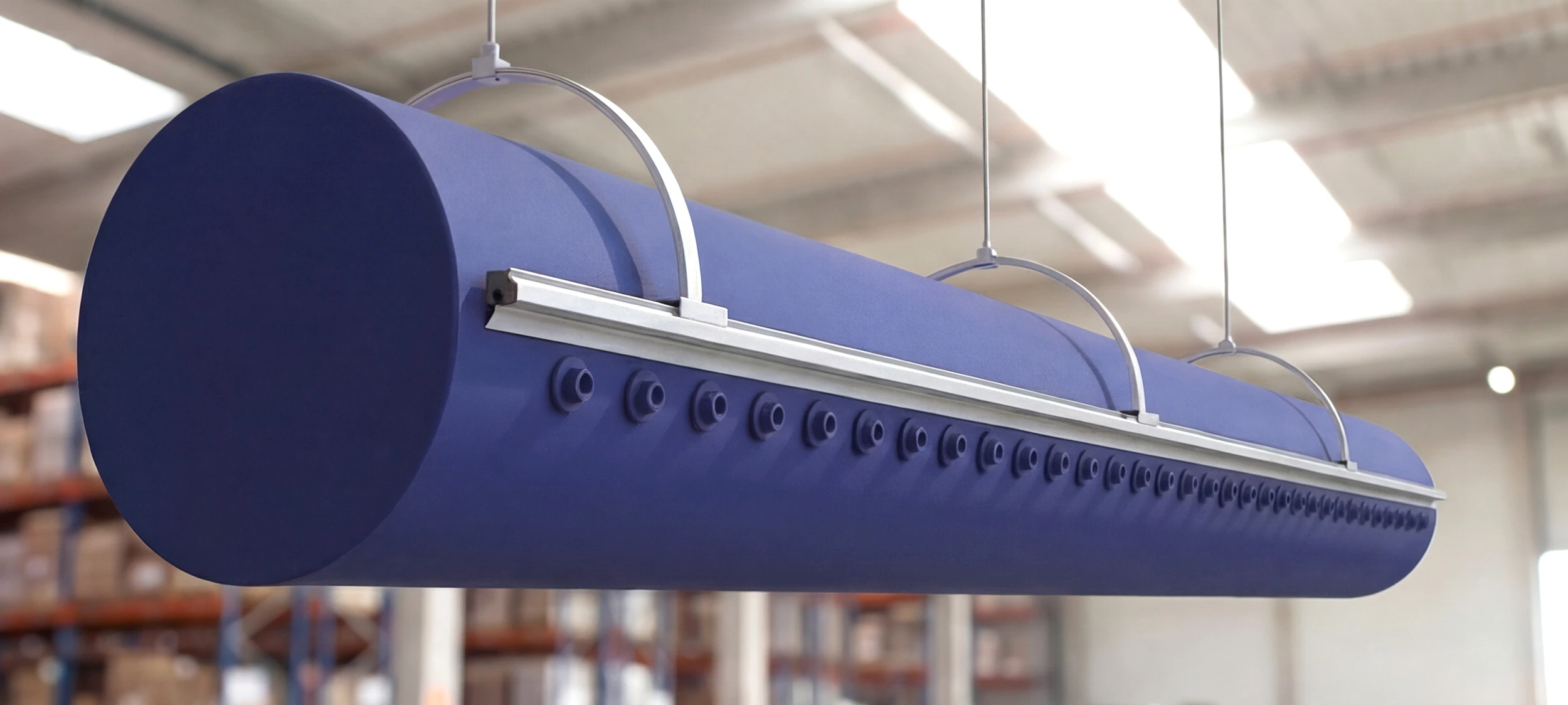
Get sparring for your next ventilation project
If you also want to hear more about textile-based ventilation and the benefits it can bring in your next project, you can send us an inquiry - absolutely without obligation.
We are ready with advice and sparring on how you can ensure optimal and good indoor climate for your construction project. You will be contacted for further dialogue about your needs and requirements, so that we will find the best solution for your project.
.png)
Need some inspiration?
Order the inspiration brochure today and find relevant information about our solutions and services - everything from design, system to how we can help with maintenance.