
Certified indoor climate for the construction of the future


We offer the KE Low Impulse system in the form of round air bags (Ø)
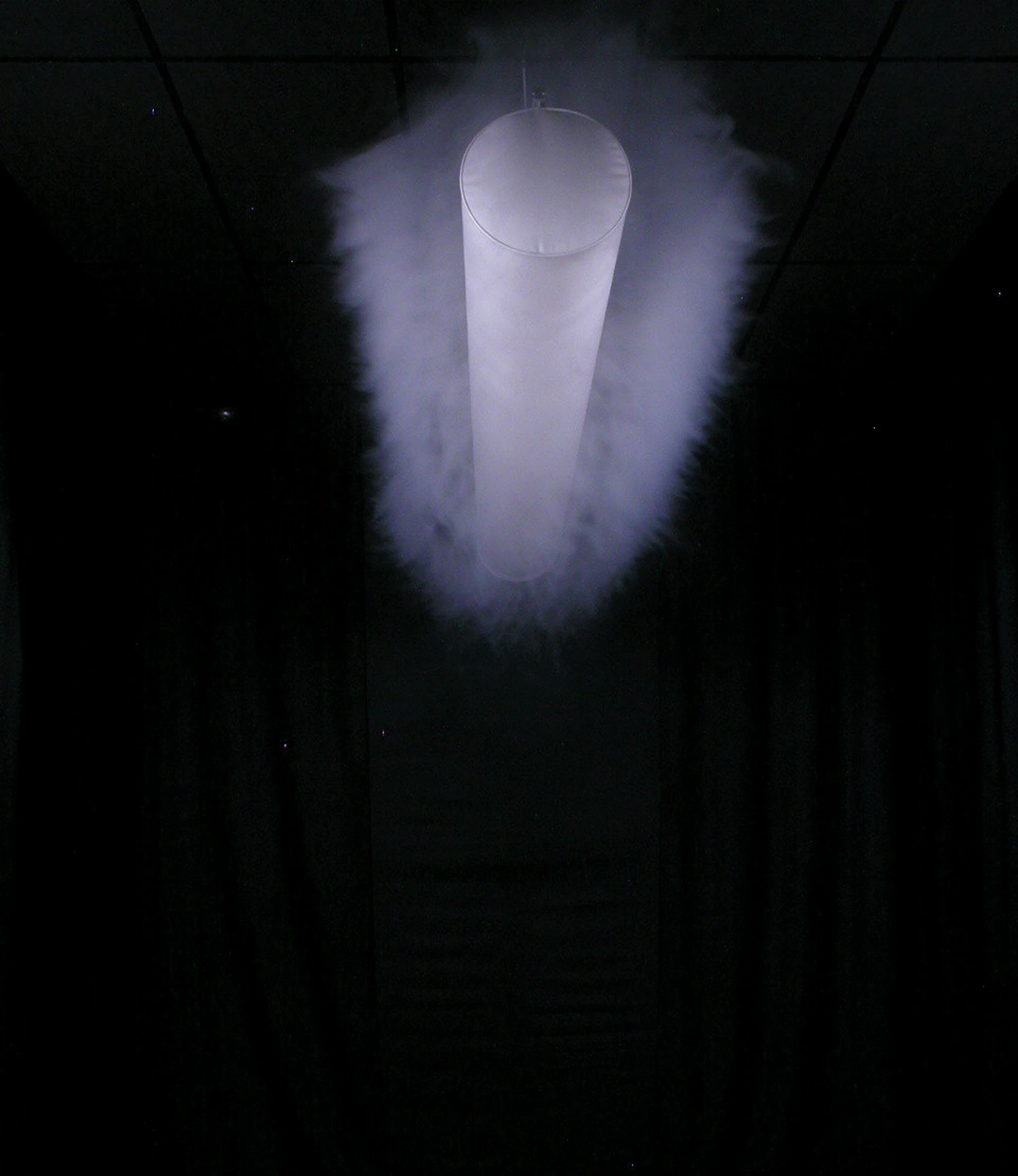
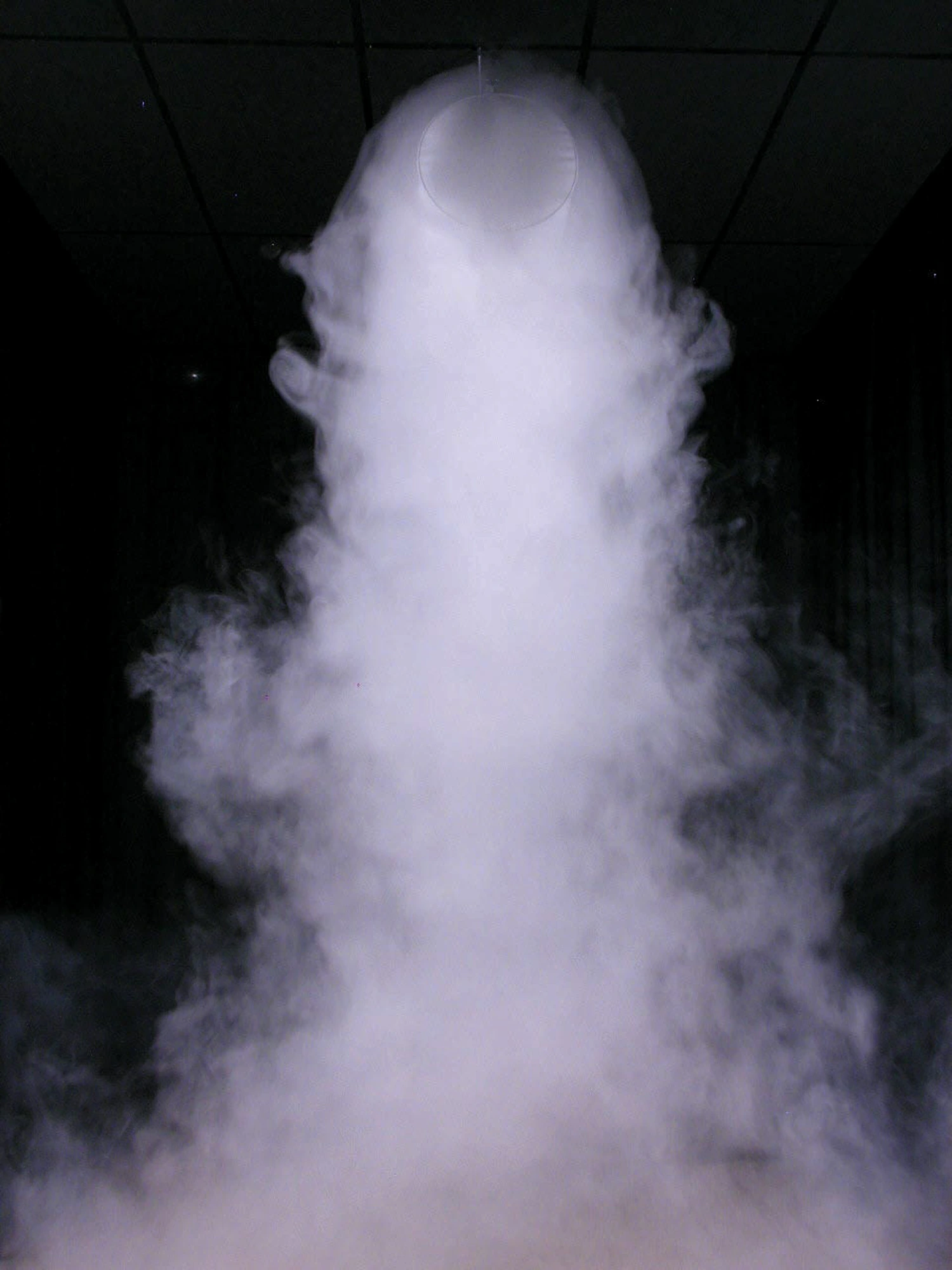
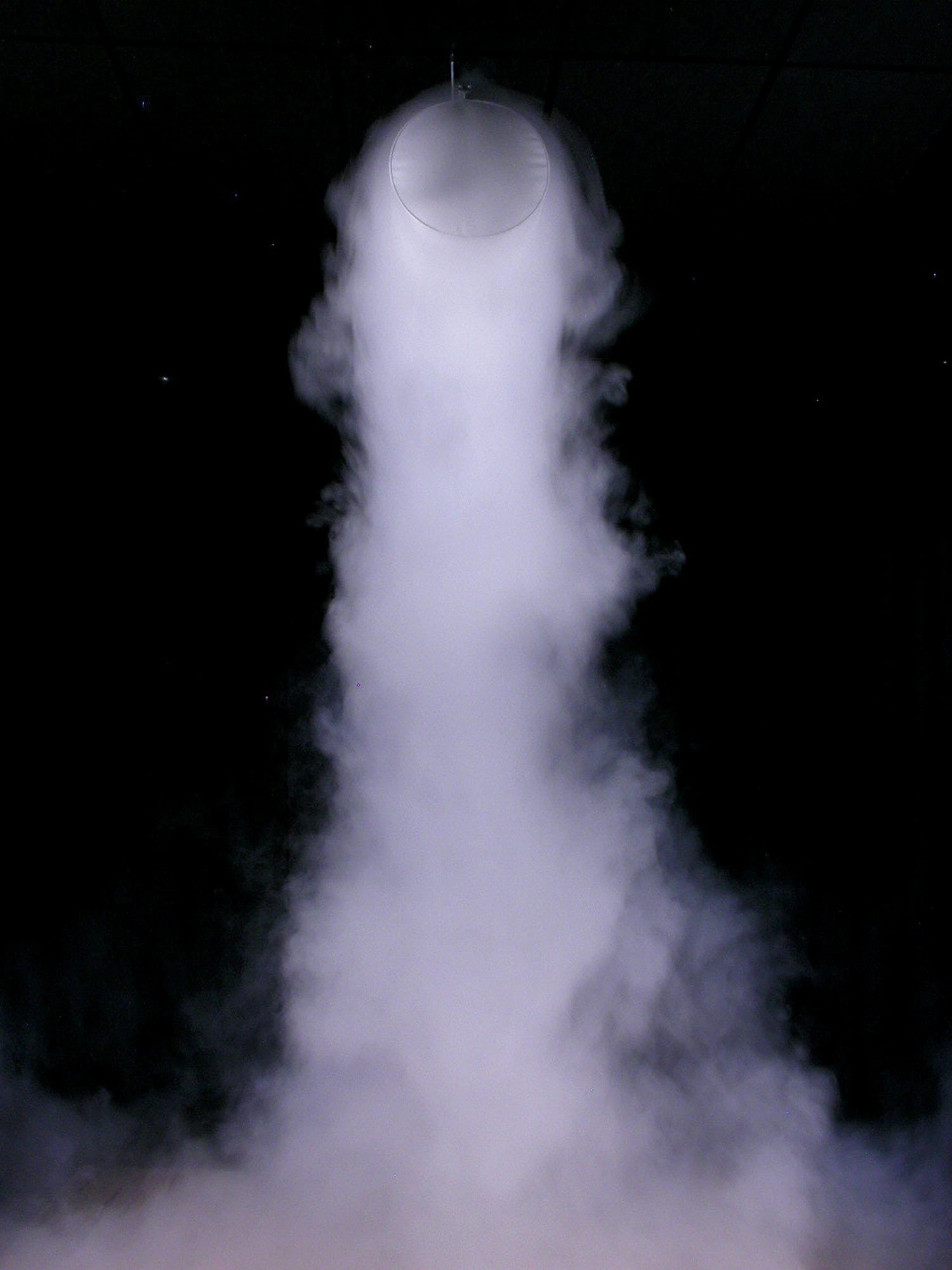
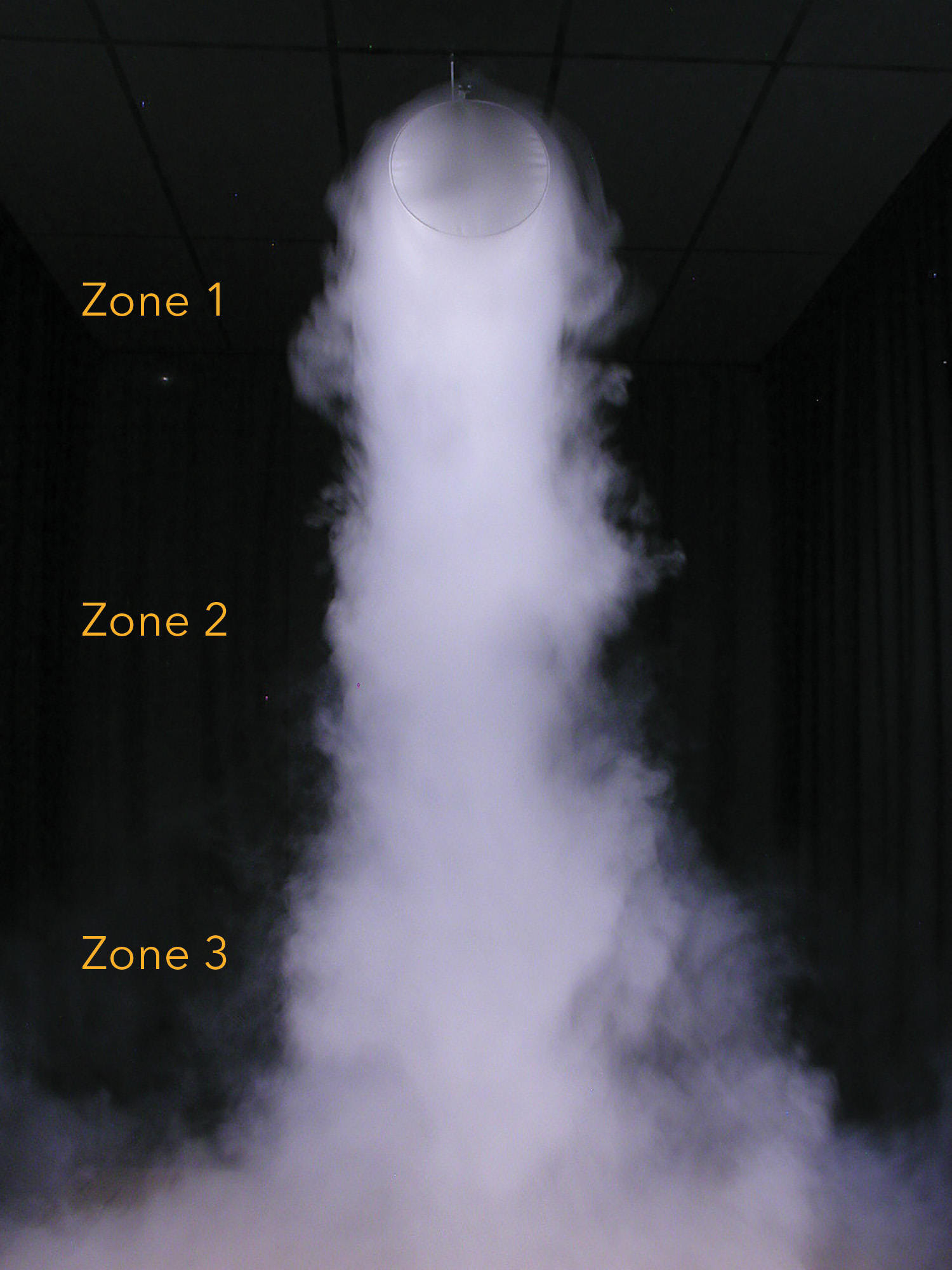
The air distribution principle of horizontal low-impulse systems is based on passive thermal displacement, in which the air is blown in with a subtemperature relative to the room air. Due to the density difference (the cooled air is heavier than the warmer room air), the room air is displaced under the duct, and the intake air continues with the direction towards the floor.
More than 50 years of experience in textile based ventilation
Own testing and development department
Global supplier with wide dealer network
High material knowledge with own weaving
Local production in Denmark
Certified indoor climate for the construction of the future
Since 1974 KE Fibertec has been developing and producing textile-based ventilation in Denmark. We combine advanced technology with proven quality and deliver solutions that set new standards for comfort and energy optimization.
KE Fibertecs tekstilbaserede lavimpulssystemer er vævet af brandhæmmende polyestergarner, og tekstiloverfladen virker som et finmasket trådnet, hvor indblæsningsluften siver gennem overfladen med en meget lav, ensartet indblæsningshastighed på normalt under 0,1 m/s. Hvis luften skal fordeles efter lavimpulsprincippet, bør indblæsnings-hastigheden holdes under 0,40-0,50 m/s. Dette er grænsen for, hvornår der vil ske en begyndende medrivning og opblanding af rumluft i lavimpulsstrømningen.

Send us your information and we will make sure you receive our technical catalogue. Here you can find more about our systems and how we can help you achieve a good indoor climate.
Find answers to most of what you need to know here or contact us directly for further help and guidance.
Comfort ventilation is a general term for ventilation in premises with requirements for comfort (temperature, air speed, relative humidity, air quality, etc.).
Textile ducts are particularly suitable for efficient, uniform and draft-free distribution of fresh air in all comfort environments and laboratories, but can also be used in industrial construction and the food industry.
It's the difference between intake temperature and room temperature. If a room in a cooling situation has a ΔT of, for example, -3°C, then the room temperature is 24 °C and the intake temperature is 21 °C.
Carbon dioxide (CO! 2) are wastes that are formed in the process of human combustion. It is a greenhouse gas which, when concentrated in the air, can cause people in the room to become drowsy, have headaches or perform work at lower levels of activity. Man is the largest source of developing carbon dioxide.
In displacement ventilation, the intake air at the floor is supplied directly into the living zone, thus creating a layered flow in which the cooled intake air flows into the room under the warmer room air.